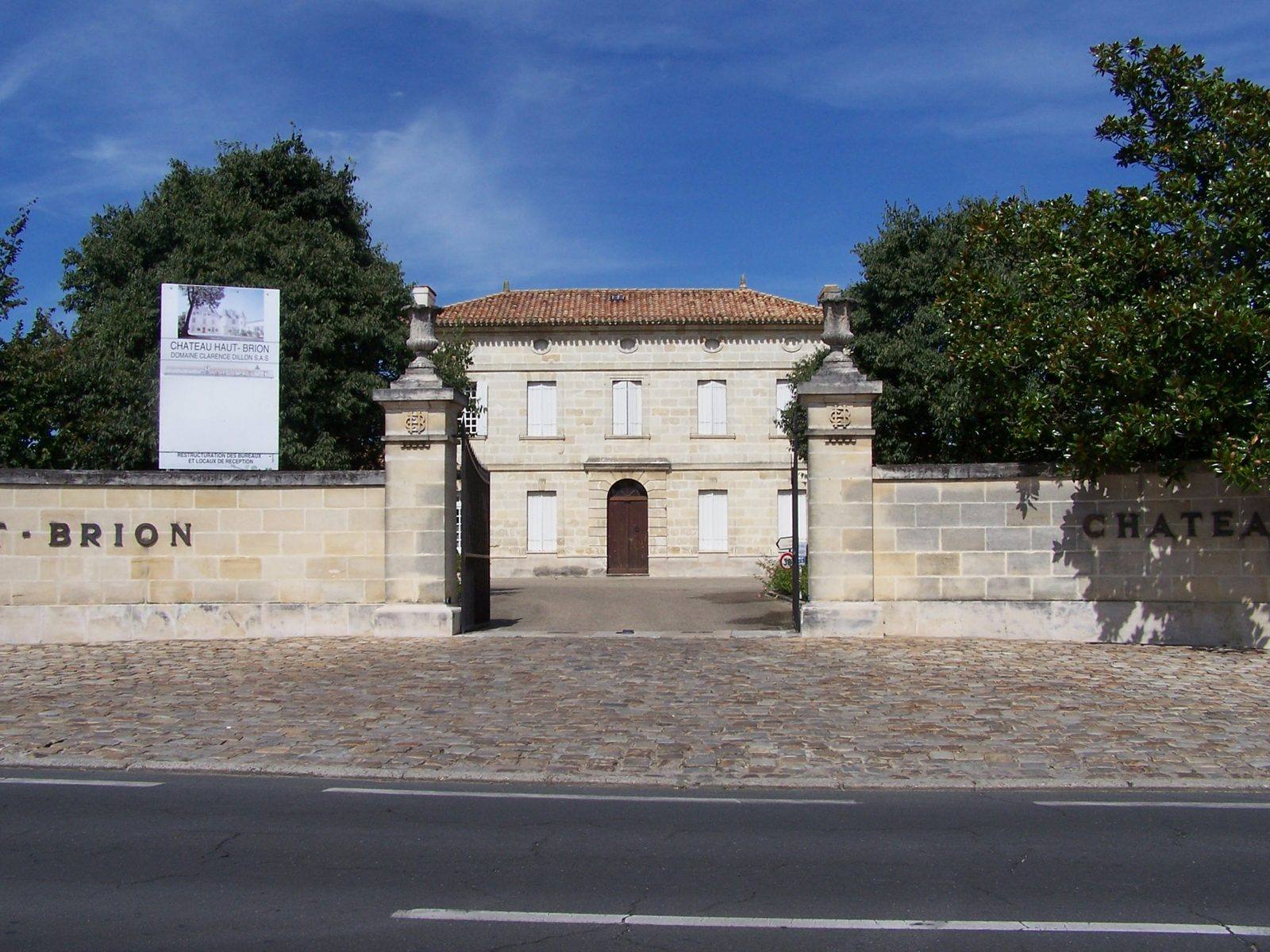
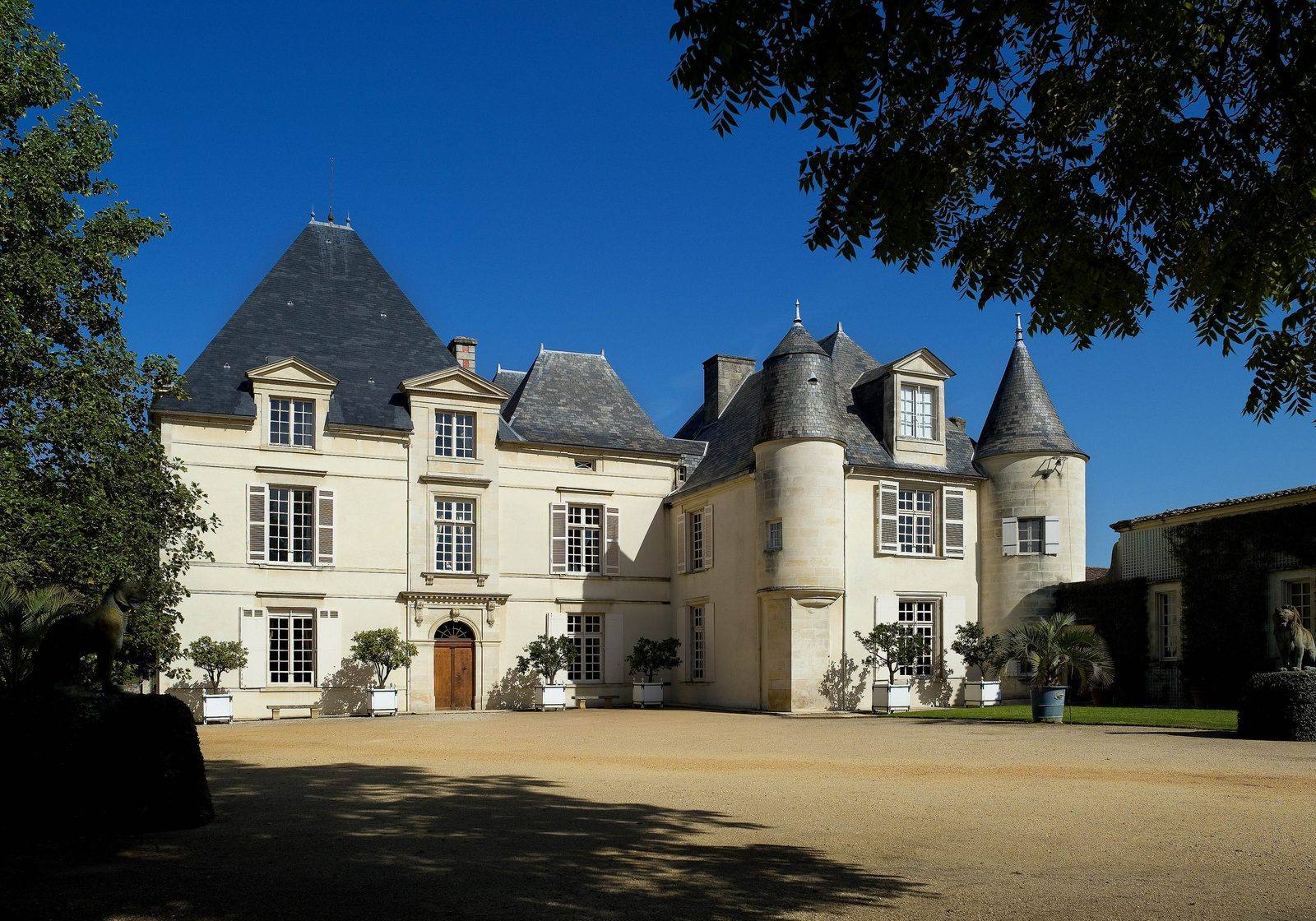
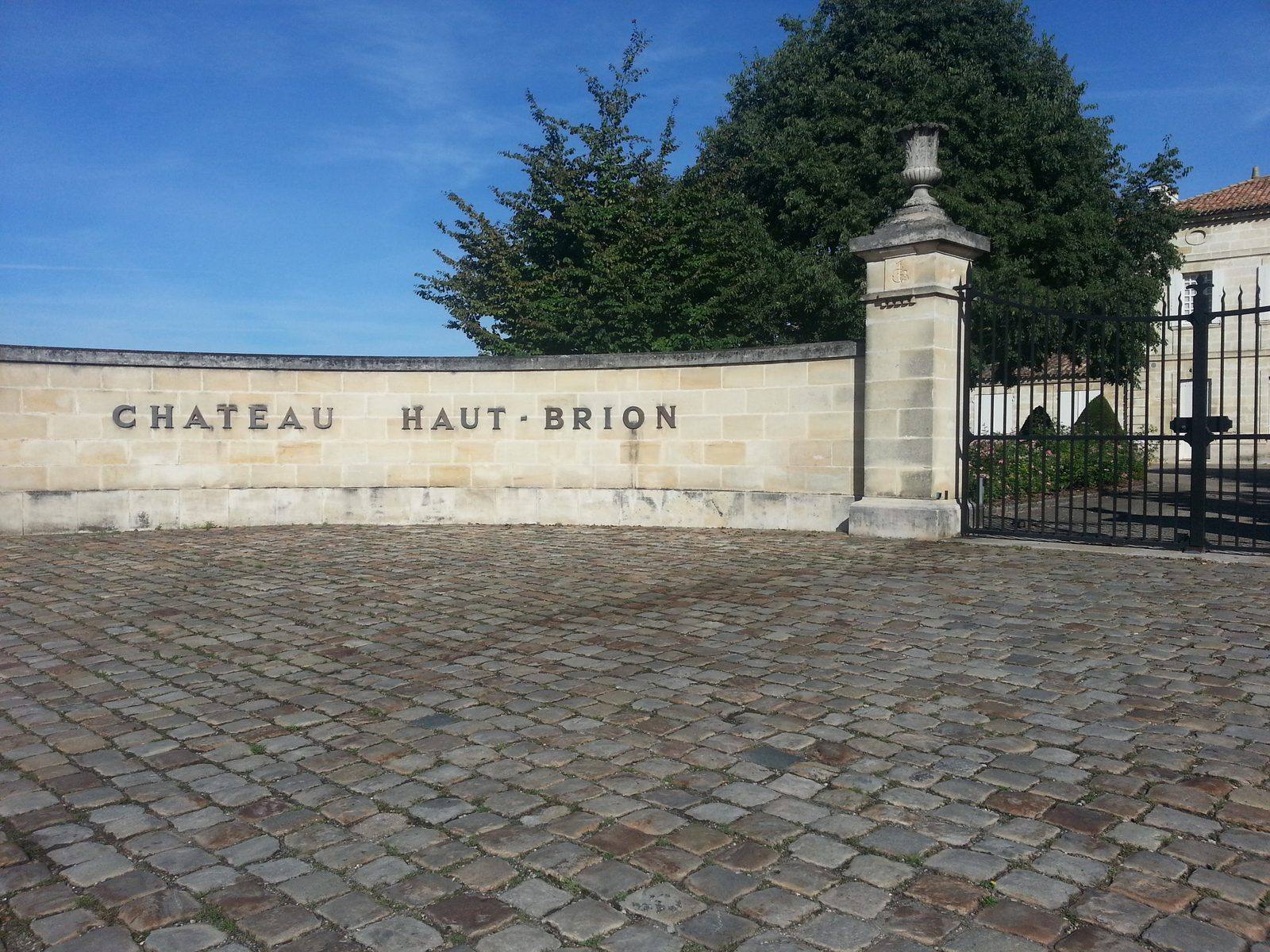
A sale of rare wines from the cellar of Chateau Haut-Brion raised EUR 3.4 million (US$3.9 million) last week at Sotheby's, setting a dozen world records for individual wines from the Pessac estate. The auction, conducted in partnership with estate owner Domaine Clarence Dillon to celebrate ninety years of stewardship of the chateau by the Dillon family, was the first ever devoted entirely to the Premier Grand Cru Classe.
It comprised more than 675 lots sourced exclusively and directly from the estate, spanning ninety vintages from 1935, when the family acquired the estate, to 2025. Alongside Haut-Brion Rouge and Blanc, the sale included the estate's second wines and historic labels, notably Le Bahans Haut-Brion, Le Clarence de Haut-Brion, Les Plantiers de Haut-Brion and La Clarte de Haut-Brion, as well as a number of First Growth barrels. Sotheby's said the sale attracted participants from twenty-nine countries.
the enduring global appeal of this historic estate
Nick Pegna, Sotheby's global head of wine and spirits, to The Drinks Business
The top lot paired an ultimate journey at Chateau Haut-Brion experience with a barrel of Chateau Haut-Brion Rouge 2025, the first ever barrel to feature in an ex-cellar First Growth auction. It achieved EUR 162,500 (US$184,308) against an estimate of EUR 100,000 to EUR 200,000. Six bespoke experiences were created for the anniversary, paired with exceptionally rare vintages, to take place following the reopening of Chateau Haut-Brion's new site in early 2027.
Ninety years of the Dillons
The anniversary behind the sale was ninety years in the making. The American banker Clarence Dillon bought Chateau Haut-Brion on 13 May 1935, and his family, through Domaine Clarence Dillon, has owned it ever since. In the 1855 classification drawn up ahead of the Paris International Exhibition, Haut-Brion was named a Premier Grand Cru, the only estate from Graves among the established First Growths of the Medoc.
The family's stewardship has been punctuated by anniversaries marked in the bottle. From the 2007 vintage, the red second wine formerly known as Chateau Bahans Haut-Brion was renamed Le Clarence de Haut-Brion for the seventy-fifth anniversary of Dillon ownership; from 2009, the white second wine Les Plantiers du Haut-Brion became La Clarte de Haut-Brion. The sale's span, from a 1935 magnum to a barrel of the 2025 still in wood, was effectively the Dillon era told in wine.
Records fall across the decades
The dozen records stretched from the nineteen-thirties to the two-thousands. A jeroboam of Haut-Brion Rouge 1989 sold for EUR 62,500 (US$70,888) against a previous record of EUR 24,783, while a double magnum of the same vintage realised EUR 56,250 (US$63,799), more than doubling its previous record of EUR 19,516. A magnum of the 1949 reached EUR 23,572 (US$31,191) against a previous EUR 7,965, and a magnum of the 1935, the Dillon acquisition vintage, climbed from EUR 750 to EUR 8,750 (US$9,924). A bottle of the 1961, sold as part of a three-bottle lot, made EUR 20,800 (US$23,600), nearly five times its previous record of EUR 4,500.
A salmanazar of the 2009 sold for EUR 17,500 (US$19,848), nearly double the previous EUR 9,500 record. A double magnum of the 1982 realised EUR 16,250 (US$18,431), nearly twice the prior EUR 8,825 record, and a double magnum of the 1986, part of a three-double-magnum lot, sold for EUR 12,500 (US$14,200), nearly four times its previous record of EUR 3,702. Other records were made for a double magnum of the 1998, a magnum of the 2000, a bottle of Haut-Brion Blanc 1989, and a single bottle of the 1971, which trebled its previous record of EUR 530 to reach EUR 1,600.
The provenance premium
What the sale measured, beyond appetite for a single estate, was the market's faith in provenance. Wines arriving straight from the estate's own cellars, never having left them since bottling, carry a guarantee no secondary-market bottle can match. Sotheby's said the sale's global participation underlined, in its words, "the extraordinary appeal of Chateau Haut-Brion and ex-chateau wines among collectors worldwide".
The record pattern itself tells the story: it was the large formats and the oldest vintages that drew the fiercest bidding, the bottles whose histories are hardest to verify on the open market and therefore the ones where an estate guarantee is worth the most. A jeroboam is a commitment; a magnum from 1935 is a leap of faith. Bidding more than eleven times the previous record for the latter is what happens when faith is removed from the equation.
For the estate, the ex-cellar format is also a business decision. Releasing library wines directly keeps a share of the secondary market's margin at the chateau and puts old vintages in front of collectors who might otherwise bid on bottles with patchy histories. When a magnum from the acquisition year sells for more than eleven times its previous record, the market is not only buying wine. It is buying the story, and paying for the certainty that the story is real.