In January 2026, the 2021 Brunello di Montalcino wines reached the market, exactly as the appellation's rules require: five years after the harvest, not a month sooner. Early critical response suggests the wait was worthwhile, and the vintage is shaping up as one of the decade's serious propositions from Tuscany.
Frost, then sun, then rain
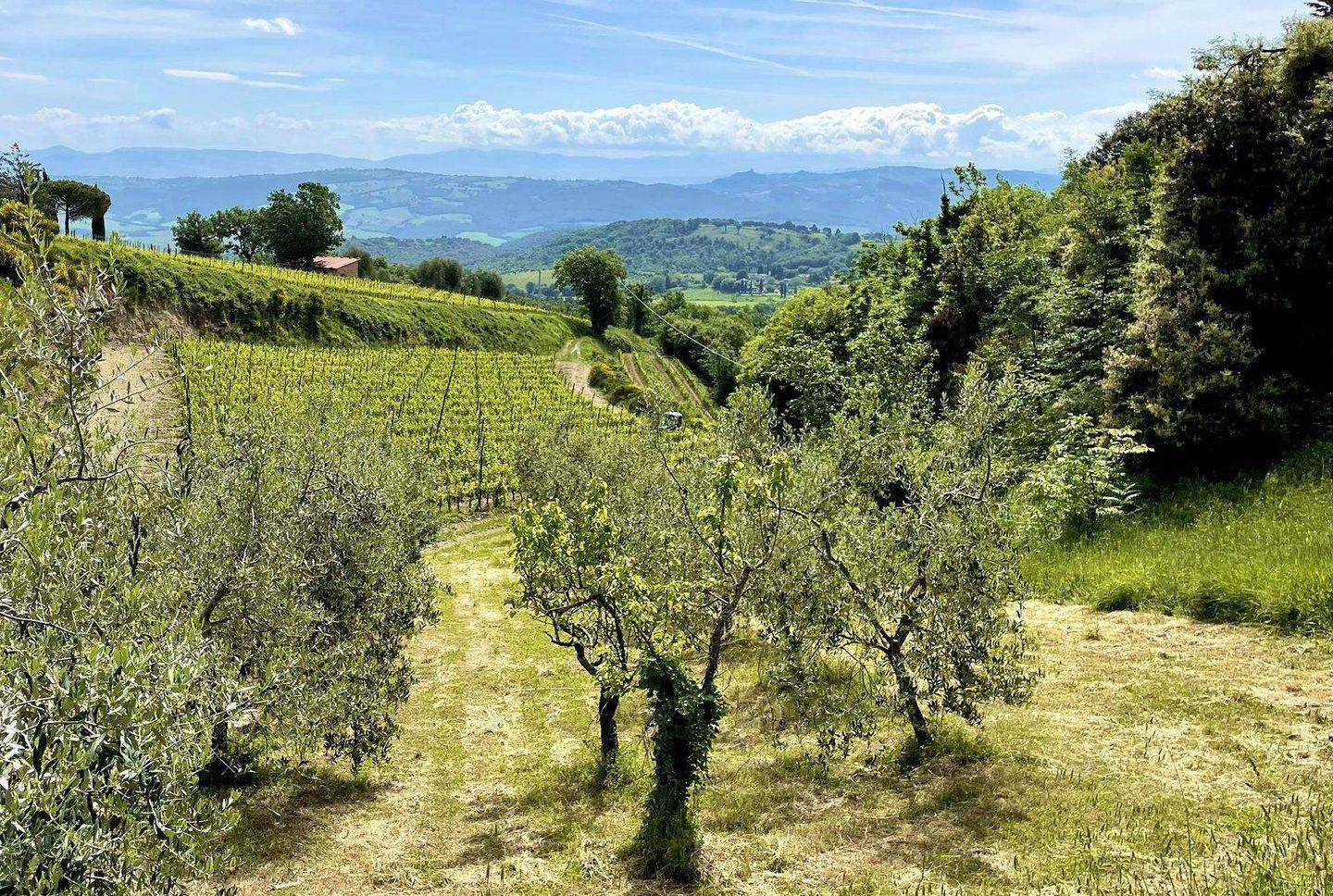
The 2021 season tested the growers of Montalcino. April frosts cut yields by 10 to 30 percent, thinning the crop before the summer had begun. A hot, dry summer followed, broken by mid-August rain that arrived in time to matter. Producers report high acidity and tannin density built for long ageing, the combination that, in Sangiovese, usually means patience will be rewarded.
Low yields and thick tannins are the raw materials of the Brunellos that age best. The frost did the selection that the growers would otherwise have done by hand, and the summer did the ripening. What remains is the waiting, which the appellation enforces and the vintage appears to deserve.
Suckling's verdict
James Suckling named Eredi Fuligni's Brunello di Montalcino 2021 his Italian Wine of the Year for 2026. Twelve Brunellos, all from the 2021 vintage, made his Italy Top 100, drawn from 7,000 Italian wines tasted. When a single vintage supplies more than a tenth of a critic's national top hundred, the vintage is making its own argument.
The Fuligni is also a study in value. The estate produced about 40,000 bottles of the wine, sold at retail for under 100 dollars a bottle. A wine of the year that remains under a hundred dollars is the kind of fact the market notices, and it sets the terms for how the rest of the 2021s will be judged on release.
From the producers' own sheets
La Fiorita bottled its 2021 Brunello in May 2025 and released it in January 2026, according to the producer's technical sheet. The fruit comes from the Collesorbo, Pian Bossolino and Giardinello parcels, harvested between 7 September and 1 October 2021. The sheet is a small document of the vintage's discipline: three parcels, a three-week picking window, and a bottling date eight months before the wine could legally be sold.
Poggio di Sotto's 2021 scored 97 points with The Drinks Business, which tasted it in October 2025 and again in January 2026 ahead of its la place release. The la place route, selling through the Bordeaux marketplace, has become an established path for top Tuscan estates, and a 97-point score on the eve of release is the strongest possible start on it.
The la place release for Poggio di Sotto is part of the same story. Selling through the Bordeaux marketplace puts a Tuscan estate's wine in front of the world's merchants on the same terms as a classified growth. A score earned across two tastings months apart, rather than a single showing, is the credential the marketplace rewards, and the 2021 vintage is accumulating such credentials quickly.
The discipline of the five years
Brunello's five-year ageing rule is one of the strictest in the wine world, and 2021 is its latest test. The rule forces every producer to hold the wine until it is ready to be judged, and it forces every vintage to arrive with its reputation still to make. The 2021s arrive with a season of extremes behind them and, if the producers' reading of the tannins is right, a decade or more of cellaring ahead of them.
Few appellations impose a wait this long. The five-year rule means the 2021s were bottled, in La Fiorita's case in May 2025, and then held for months before they could legally be sold. It is a discipline that punishes weak vintages and rewards strong ones, because there is nowhere to hide: by release, the wine is what five years have made it.
Five years is a long time to wait for a verdict. On the early evidence, from Suckling's top honor to the scores accumulating on la place, the verdict is going the vintage's way.