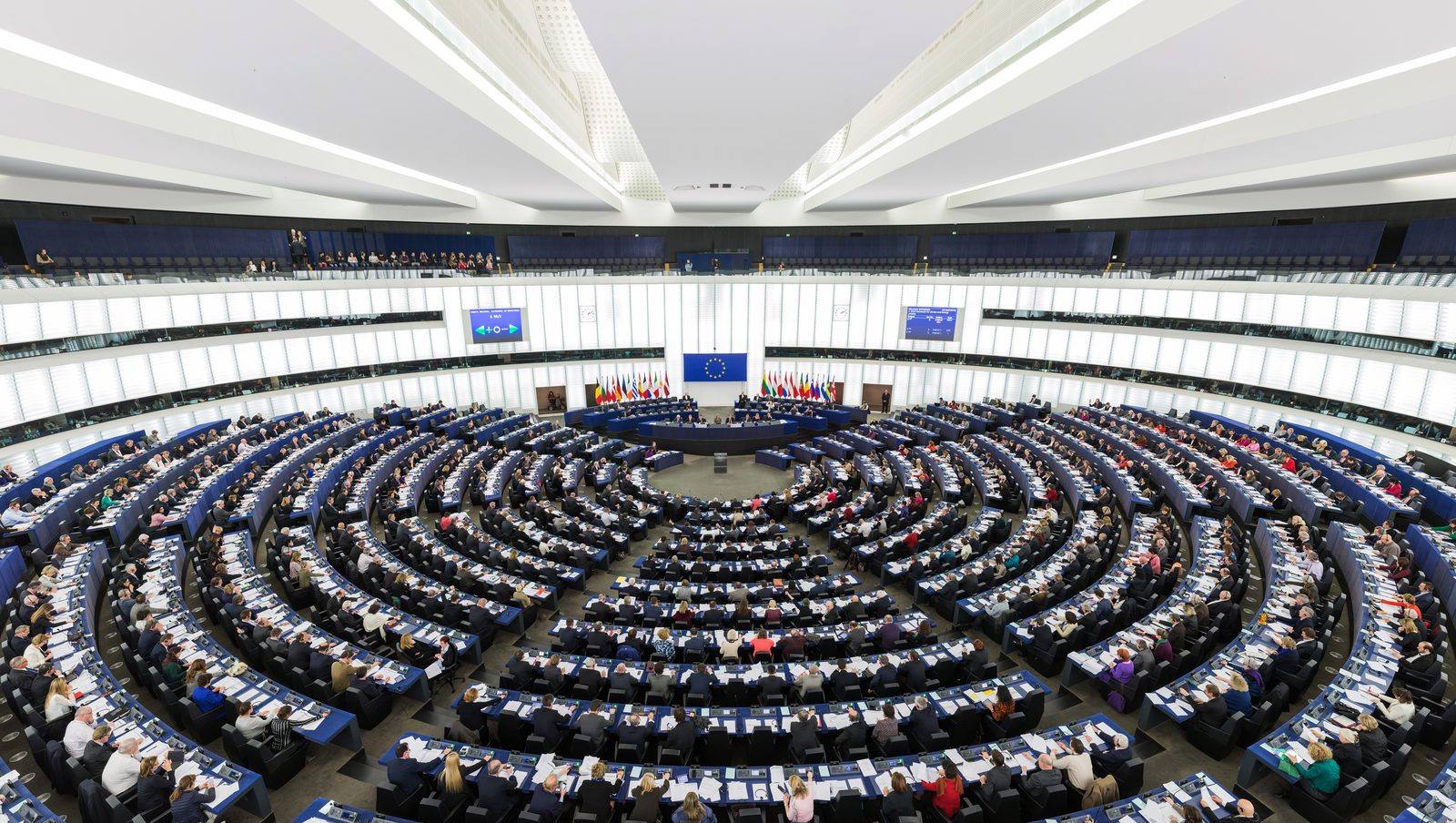
A single committee vote in Brussels is being described in two quite different ways this month, and both descriptions rest on the same document. On 28 September, the European Parliament's Committee on Public Health, known as SANT, adopted its report on the implementation of Europe's Beating Cancer Plan by 27 votes to 8, with 5 abstentions. Europe's wine industry welcomed the result. Health campaigners attacked parts of its wording. The disagreement is not about what the committee did, but about what its words will mean when the full Parliament votes, provisionally on 11 November.
The industry's reading, set out by the European Network of Wine Cities, RECEVIN, and reported by The Drinks Business on 15 October, is that the committee retained a distinction between alcohol consumption and harmful consumption, and removed references to there being no safe level of drinking. RECEVIN also welcomed the committee's recognition of the existing nutritional and ingredient labelling requirements for wine, rather than stronger health warnings, and noted that, on advertising at sporting events, the committee had confined its proposed limits to protecting minors from exposure.
Radica, for his part, welcomed the result, calling the outcome of the committee vote a positive one for the wine cities his network represents.
Angelo Radica, president of RECEVIN and of the Italian association Citta del Vino, argued that the line between moderate consumption and abuse had to be kept, or wine producers would face restrictions out of proportion to the harm involved. Spain's largest wine region made the same case in person. Speaking in Brussels on 13 October, Jose Manuel Caballero, second vice-president of the regional government of Castilla-La Mancha, said the vote had accepted the case made by wine-producing territories: that wine should not be treated as harmful in itself. His region accounts for approximately half of Spain's wine production, with around 80,000 people directly dependent on an industry the regional government values at an estimated EUR 2 billion, and wine exports that generated EUR 440 million in the first seven months of 2026. Caballero also spoke for wine as culture, and for its place at the Mediterranean table.
The other reading
The report the committee adopted nevertheless calls for action that goes well beyond the industry's welcome. As Alcohol Review reported on 30 September, the resolution calls on the European Commission to legislate for clearly visible health-related information on all alcoholic beverages without further delay, asks the Commission and member states to promote actions to reduce and prevent alcohol-related harm, calls for a revised EU alcohol strategy including a zero alcohol consumption strategy for minors, and asks the Commission to propose EU-level measures to reduce exposure to alcohol marketing, in particular to minors, including in digital environments. Those demands survived the same vote that removed the no safe level language.
The criticism from health campaigners is aimed at precisely the distinction the industry celebrated. Alba Gil of the Association of European Cancer Leagues told the committee that using terms such as harmful alcohol, and levels exceeding scientifically established health recommendations, was deeply misleading and deeply problematic, because such phrases imply there is a safe level of alcohol consumption. For the World Health Organisation's European office, there is no risk-free level of drinking where cancer is concerned, and health information belongs prominently on the bottle itself, not behind a QR code. In research it published in February 2025, only 15 percent of respondents in 14 European countries knew that drinking could cause breast cancer; 39 percent knew of the link with colon cancer.
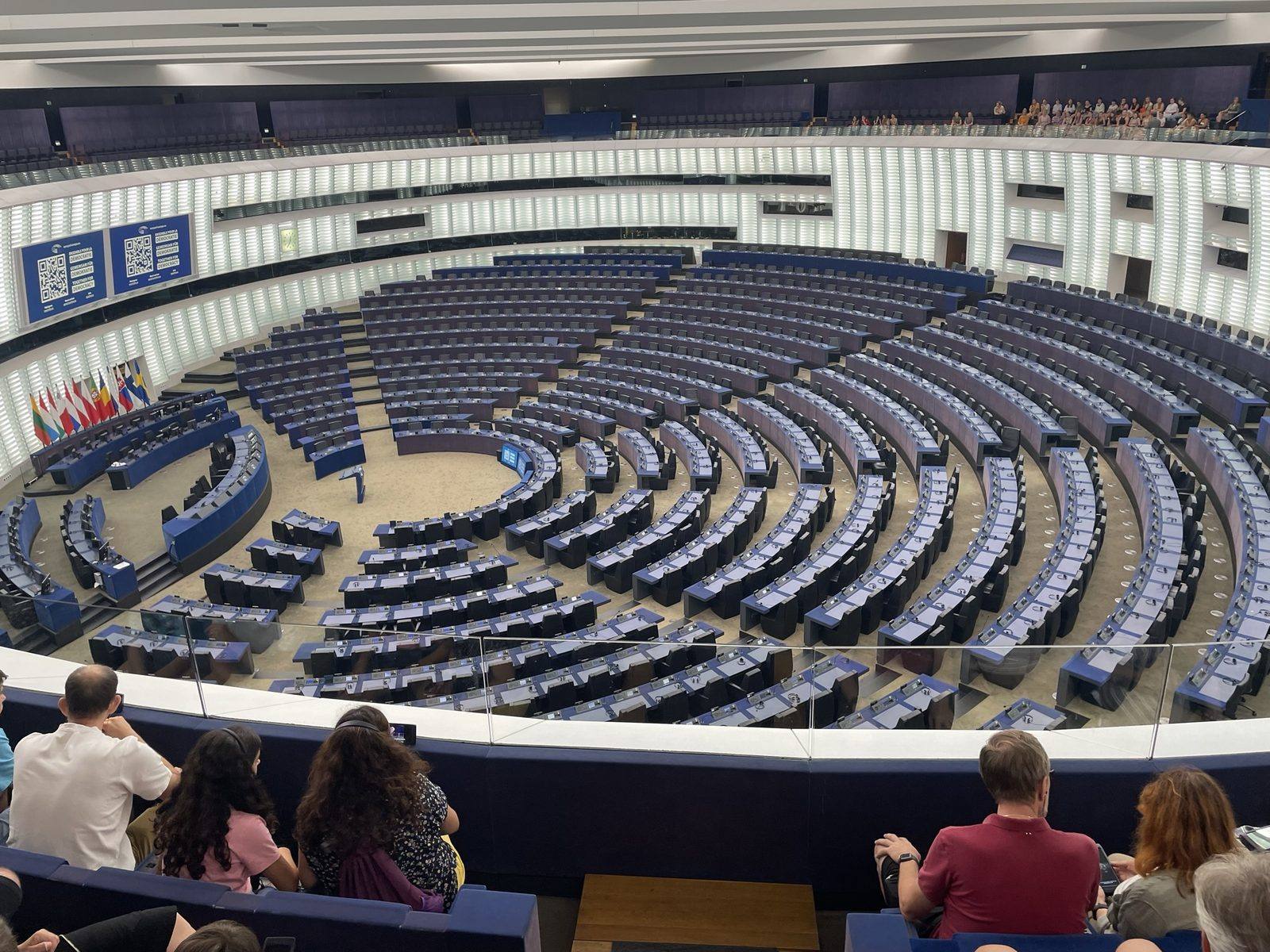
The committee's rapporteur framed the wider report in terms of delivery rather than definitions. Vlad Voiculescu, the Romanian MEP who drafted the implementation report, said on adoption that the measure of the Cancer Plan's success must be the number of lives saved, not the number of actions recorded as under way, and warned that the plan's Tobacco-Free Generation goal and the end of cervical cancer remain far from reach. His remarks, published by his Renew Europe group on 28 September, are a reminder that the alcohol wording sits inside a much larger argument about whether Europe's flagship cancer programme is working at all.
What the vote does and does not settle
Three facts bound the story. First, the committee vote is not a final decision on EU alcohol labelling rules, and the report itself is a political position rather than legislation. Second, the plenary vote, provisionally scheduled for 11 November, will decide whether the full Parliament adopts the same balance of language. Third, both readings of the September vote are accurate about the parts they emphasise: the report keeps the distinction between consumption and harmful consumption that producers wanted, and it keeps the demand for visible health information on every bottle that campaigners wanted. Wine's place in European law will be argued from exactly that tension in November, and the outcome will shape labelling, marketing and promotion rules for every region in this report, from Pauillac to La Mancha.