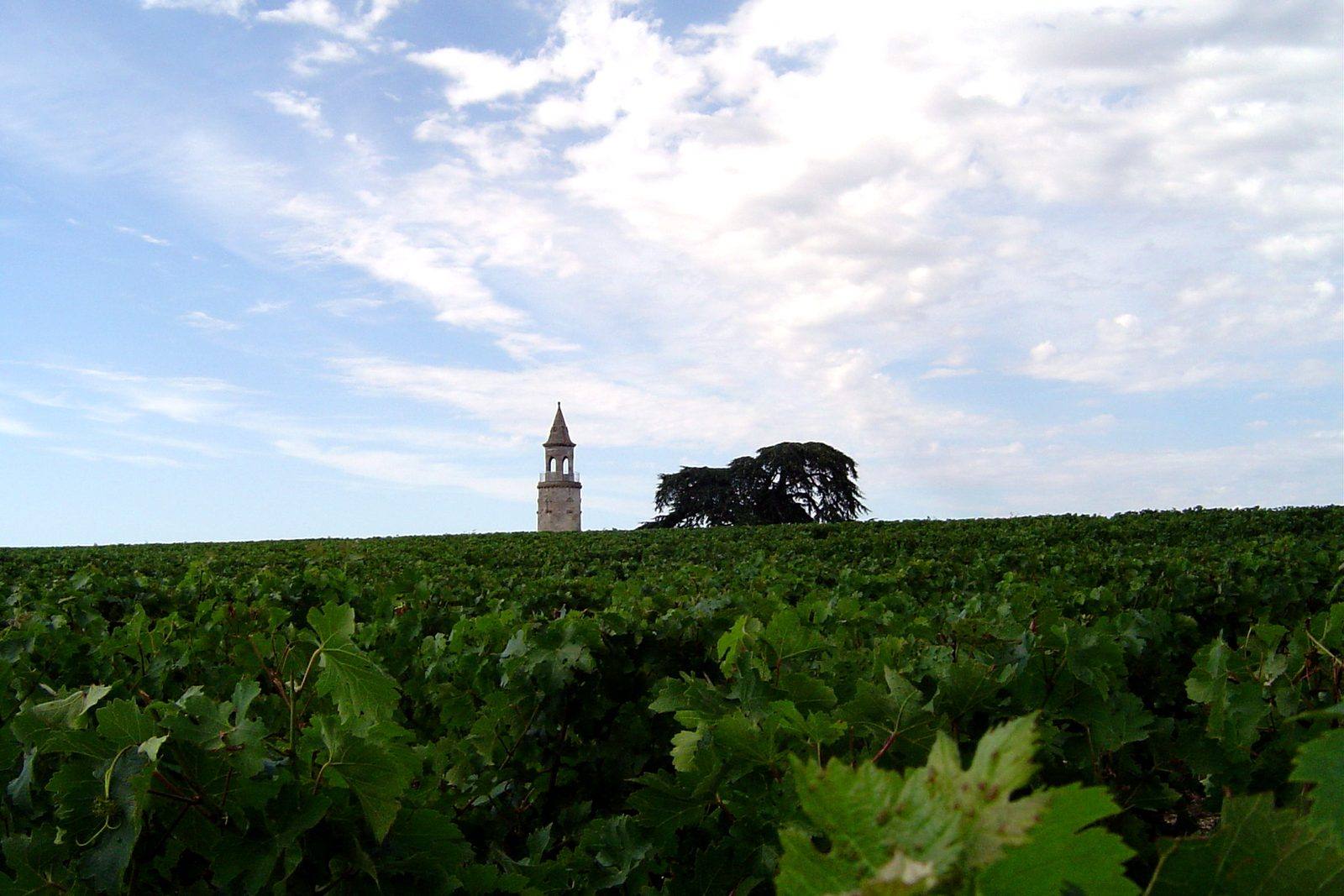
Bordeaux has one of the strictest definitions of place in world wine: the permitted grapes are named, their proportions policed, their origins fixed. So the decision announced by the CIVB in 2021 was, by the region's standards, quietly radical. Six new varieties were approved for use in Bordeaux and Bordeaux Superieur blends. You will not find their names on any label. You may never taste them identified. But they are in the vineyard, and they are the region's most honest answer yet to a warming climate.
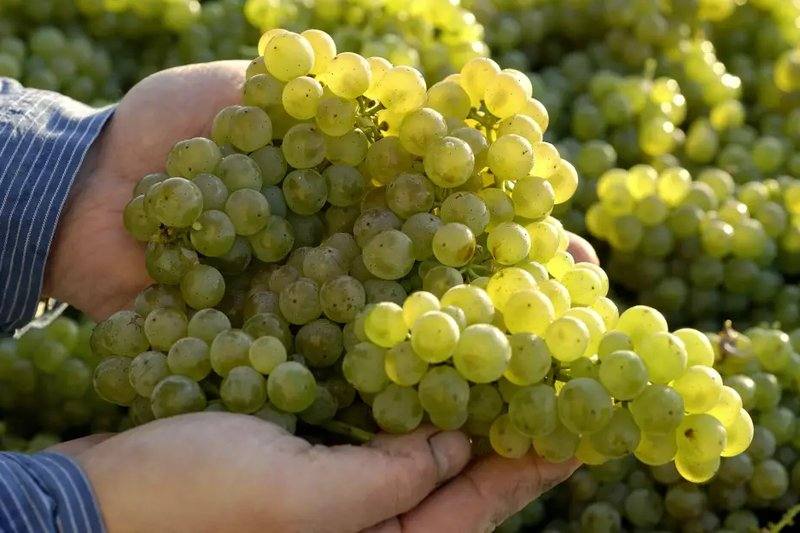
The six are the reds Touriga Nacional, Marselan, Castets and Arinarnoa, and the whites Alvarinho and Liliorila. They were approved by the INAO, France's appellation authority, as part of a programme known as VIFA, selected for their suitability to warmer, drier conditions. One other name was proposed and turned down: Petit Manseng, the white grape of Jurancon, did not make the cut.
The fine print
The conditions are tight enough to reassure traditionalists. The new varieties may collectively occupy no more than 5 percent of an estate's planted area and no more than 10 percent of a final blend. Their names cannot appear on the product label. The programme runs under a ten-year agreement among the INAO, the growers' union and the producer, renewable once. It applies to the Bordeaux AOC and Bordeaux Superieur, the region's broadest appellations, which together account for 55 percent of the region's production.
The CIVB's 2024-2025 press kit includes a summary of the VIFA programme, treating it as an established part of the region's climate strategy. What remains unverified is uptake: how many estates have actually planted, and how many hectares are now under these varieties. The approvals exist; the vineyard-level reality is harder to measure.
Adaptation without identity
Why these six
The programme's purpose is explicit, even where its agronomic detail is not: climate adaptation. Bordeaux's warming trend has pushed harvests earlier and raised alcohol levels, and the historic varieties were selected for a climate that no longer exists in quite the same form. The six approved varieties are the region admitting, in regulation, that its climate has changed.
The rejection of Petit Manseng is as interesting as the approvals. The Jurancon white was proposed and not approved, a reminder that the INAO's gatekeeping still applies. Not every adaptation is admitted; the six that made it were judged compatible with what Bordeaux intends to remain.
A twenty-year horizon
The ten-year agreement, renewable once, sets the experiment's horizon at up to twenty years. That is roughly the productive life of a vineyard planting, which means the programme is timed to let growers plant, harvest and evaluate before deciding whether the experiment becomes permanent. It is a serious timescale for an unserious-sounding allowance: unnamed grapes at 10 percent of the blend.
What remains unverified is uptake. Current planting figures, how many estates have planted and how many hectares are involved, were not found in the research. The approvals exist on paper; the vineyard-level reality is harder to measure. That gap is worth watching, because an experiment nobody plants is a press release, not a policy.
Why the broad appellations first
The experiment applies to Bordeaux AOC and Bordeaux Superieur, which together account for 55 percent of the region's production, rather than to the classified crus. That choice is deliberate and revealing. The broad appellations are where the climate pressure is most commercial: the wines that must sell in volume, at prices that cannot absorb endless adaptation costs, on land that is being grubbed up elsewhere in the region. If the new grapes work there, they work where Bordeaux needs them most.
It is also where the reputational risk is lowest. A 10 percent unnamed blending component in a Bordeaux Superieur troubles no one's idea of Pauillac. The region is testing adaptation at its base, not its peak, which is either prudence or a reluctance to admit how far the problem reaches. The answer will come when the ten-year agreement approaches renewal and the region must decide whether the experiment stays confined to the wines few collectors follow.
What the consumer is owed
The label ban raises a question the region has chosen not to answer yet. If the grapes are in the wine, does the drinker have a right to know? Bordeaux's answer, for now, is no: the blend may contain up to 10 percent of varieties the label will never name. The region is betting that what matters is the taste in the glass, not the list on the back label, and that adaptation can happen without troubling the consumer's idea of Bordeaux.
That bet will be tested as the climate continues to move. If the experiment is extended or broadened, the silence on the label becomes harder to sustain. For now, the six grapes remain the region's discreet insurance policy: planted, permitted and deliberately unmentioned.