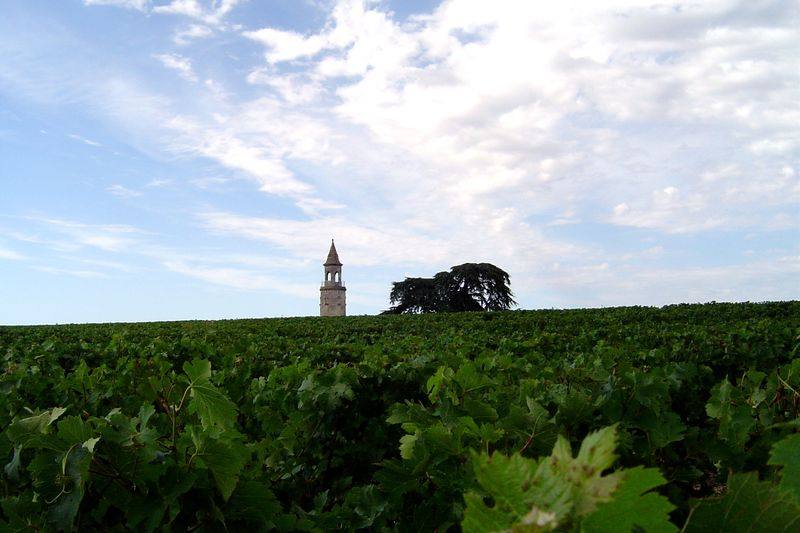
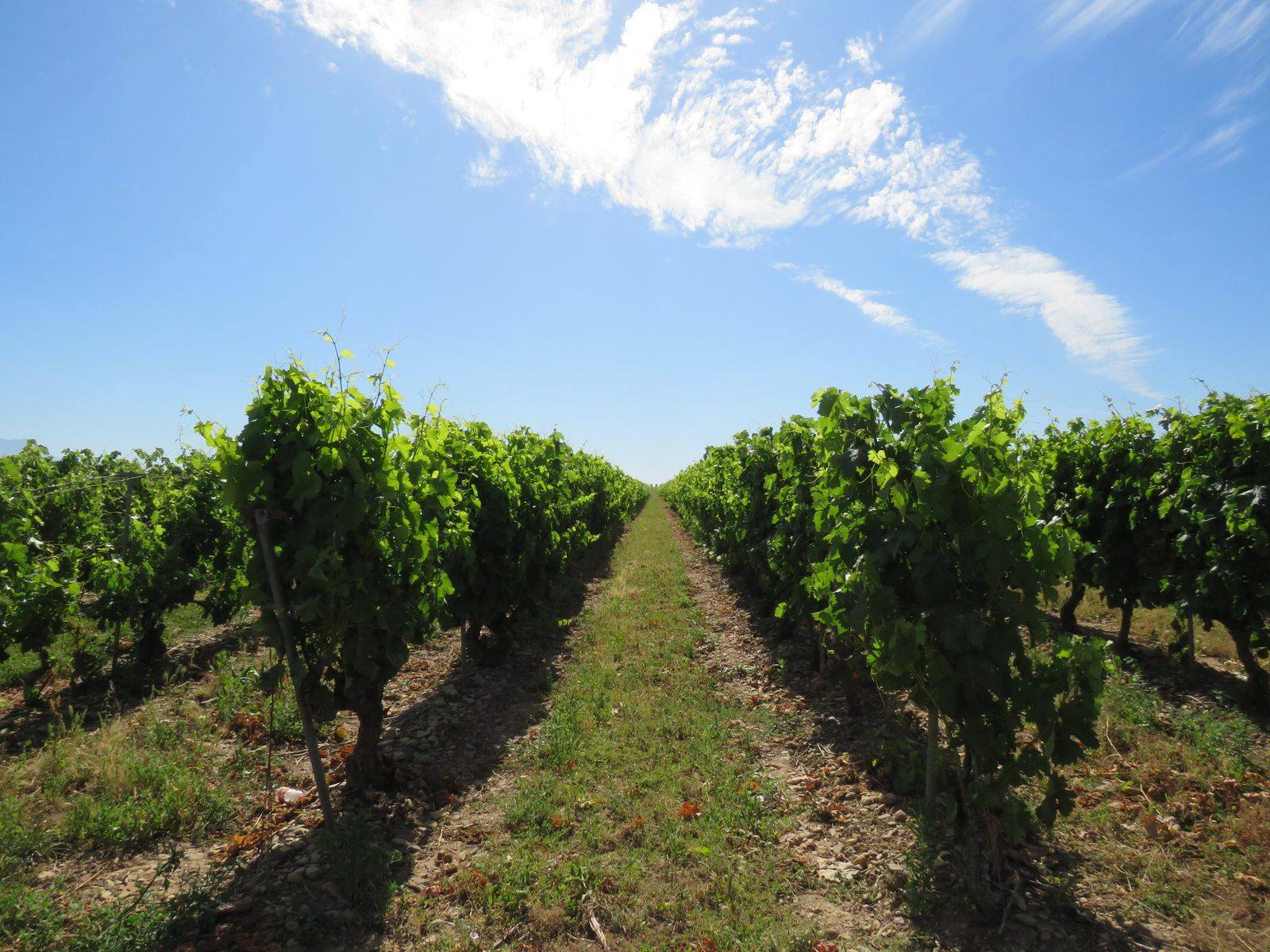
Rioja spent 2025 celebrating the centenary of its qualified designation of origin, and the vintage played along. After a plenary session early this year, the Control Board of the DOCa Rioja rated the 2025 vintage Excellent, the culmination of what it called an exhaustive and rigorous evaluation: 2,176 samples, tasted blind by a panel of 134 professionals, each sample assessed by five judges, for nearly 11,000 sensory ratings in all. By the Consejo's account, the system is one of the most demanding vintage rating processes anywhere, designed to guarantee maximum authenticity for consumers and professionals.
The harvest that earned it was small and hard-won. Across the designation, 225,477,895 kilograms of grapes were picked, 191,693,691 kg of red varieties and 33,784,204 kg of white. The year was defined by higher-than-usual rainfall during the key phases of vegetative development, especially spring and flowering, which brought significant downy mildew pressure. Growers fought it off with, in the Board's phrase, accumulated experience and professionalism, though yields fell to historically low levels in some areas. Then the cycle turned: an optimal final phase of ripening under favorable weather allowed a staggered, selective, unhurried harvest, with grapes taken at the optimum moment in excellent health.
This Centenary vintage is a reflection of the Designation itself, as it is a balance between difficulty and know-how that once again demonstrates the sector's ability to adapt to increasingly variable and unpredictable conditions. We are dealing with wines with very noticeable positive qualities, highlighting among the young wines their great quality, freshness, and identity of Rioja's territories and diversity, as well as their high aging potential.
Alejandra Rubio Gil, Technical Director, DOCa Rioja Control Board
The technical profile reads like a classic Rioja blueprint. The whites and roses are clean, fresh, aromatic and floral, with appropriate acidity and good mouth structure, consolidating the quality gains of recent years. The reds are balanced and more structured than in previous years, highly complex, with great aromatic potential of red fruit and high polyphenol values and color intensity that the Board calls typical of exceptional vintages.
Small vintage, big country
Rioja's story fits a national pattern. Josep Sabarich, chief winemaker at Familia Torres, summarized 2025 across Spain as an excellent vintage, superior across all appellations of origin to 2024 and 2023, exceptional in overall quality. The factors were national: rain returning to the Mediterranean basin after years of severe drought, mildew pressure after spring rains in Rueda, Ribera del Duero, Rioja and Catalonia, and June and August heat waves that cut yields without compromising quality. Spain's meteorological agency AEMET recorded both the third wettest March on record and the hottest summer ever; the vintage is expected to be declared the second smallest of the 21st century, after 2023.
In San Vicente de la Sonsierra in the Rioja Alta, Rafa Usoz of Bodegas Sonsierra put harvest dates around the same as 2024, but the quantity tells the story: last year's Rioja harvest was historically small, and in his view 2025 will be of a similar size. The quality, he said, looks excellent, with cool nights and warm, sunny days throughout September helping to complete the ripening cycle and develop color and aroma precursors. At Bodegas LAN, technical director Maria Barua explained the mechanism: summer water deficit produced loose, not very compact bunches of small berries, an excellent must-to-skin ratio, allowing the winery to obtain very aromatic and deeply colored wines.
The contrast with Rioja's neighbor on the Duero is striking. Ribera del Duero picked 129.5 million kilos, the second largest vintage of the decade, with the Consejo expecting deeply colored wines of depth, freshness and elegance with a profile similar to the exceptional 2024. Rioja's small, exquisite vintage and Ribera's abundant one will make a fascinating pair to follow as both age.
Eight wines to fly the flag
At the same plenary session, the Board selected the eight institutional wines that will represent the designation at corporate events through 2026, chosen from 158 wines presented by 59 wineries in a separate blind tasting by a mixed committee of experts.
| Category | Wine selected |
|---|---|
| White, generous, 2025 | Bodegas Valdemar, S.L., Oyon (Alava) |
| White fermented in barrel, 2025 | Viñedos del Ternero, S.L., Miranda de Ebro (Burgos) |
| Generous rosé, 2025 | Bodegas y Viñedos Llurce, S.A.T., Alfaro (La Rioja) |
| Red, generic, 2025 | Bodegas Campoameno, S.A., Alfaro (La Rioja) |
| Red, Crianza, 2023 | José Basoco Basoco, Villabuena de Alava (Alava) |
| Red, Reserva, 2022 | Bodegas Ramírez de la Piscina, S.L., San Vicente de la Sonsierra (La Rioja) |
| Red, Gran Reserva, 2017 | Bodegas Faustino, S.L., Oyon (Alava) |
| Sparkling, Reserva, 2021 | Viñedos de Aldeanueva, S. Coop., Aldeanueva de Ebro (La Rioja) |
The uncomfortable footnote
All of which makes the commercial picture harder to ignore. The Rioja appellation recorded significant sales losses in the first quarter of 2026: total sales of the designation fell 6.4 percent between January and March, according to data reported by the Spanish newspaper La Rioja and covered by wein.plus. The decline is strongest domestically, where sales dropped by more than ten percent, continuing a negative trend of recent years. Part of the weakness traces to the low 2025 harvest volume, around 155 million liters, well below the usual level. But demand itself has noticeably decreased.
The pain is concentrated at the top. Crianza wines fell 9.3 percent in the quarter, Reserva dropped 23 percent, and Gran Reserva, though a small segment, collapsed by around 35 percent. Only rosé wines grew, up 4.3 percent, while whites lost 5.34 percent and reds 7.25 percent. Exports held steadier at plus 0.29 percent overall, with Canada up 17 percent, Switzerland up 15 percent and Belgium up 7.6 percent, and the UK still growing at 6 percent, though Germany slipped 1.5 percent and the USA, under significant pressure, fell more than seven percent. The average export price slid to 5.27 euros per liter from 5.36 a year earlier, a 1.68 percent decline.
Rioja has, then, produced one of its celebrated vintages into one of its softest markets. The Board's Excellent rating is a verdict on what is in the cellars; the sales figures are a verdict on what is on the shelves. For collectors and drinkers, the dissonance may be the real news: the centenary vintage, small in volume and long in its development, arrives at a moment when the market has rarely offered better value on serious Rioja.