Champagne's great houses rarely trade their most important employee, and when they do, the trade notices. Emilien Boutillat, cellar master at Piper-Heidsieck since 2018, becomes cellar master at Bollinger on 1 October 2026, in an appointment announced around 10 June 2026. The move takes one of the region's most decorated young cellar masters from one major house to another, across the competitive lines that usually keep such talent in place.
The appointment
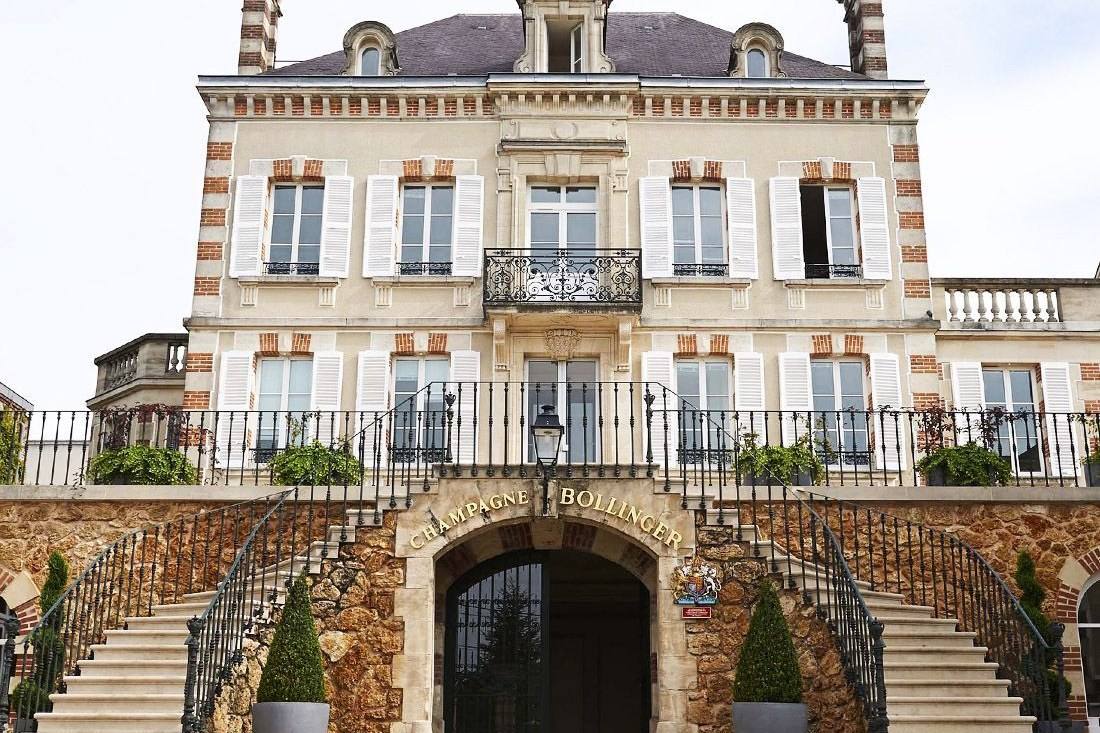
Boutillat takes over the cellars at Ay just as Bollinger approaches its 200th anniversary, a handover timed to one of the most visible moments in the house's history. The cellar master at a Champagne house is the guardian of its style: the blending decisions, the reserve wine policy, and the judgment of when each cuvee is ready. To change that hand at the approach of a bicentenary is a statement of intent about the next century, not just the next vintage.
The cellar master's job at a Champagne house is unlike any other winemaking role. The wines are blends of vintages, vineyards, and varieties, assembled from a library of reserve wines and then aged for years before release. The person in charge decides what goes into the cuvee, how long it rests, and when it is ready, which makes the appointment the most consequential hire a house can make.
That the appointment was announced in June for an October start also follows the logic of the Champagne calendar. The new cellar master arrives in time for the harvest, the one moment in the year when a Champagne house's future is decided in the vineyard. His first weeks at Ay will be spent tasting grapes, not giving interviews.
Six wine countries before Ay
His route to Ay runs through some of the wine world's most serious addresses. Earlier in his career he worked at Chateau Margaux, at Domaine de la Solitude in Chateauneuf-du-Pape, at Mud House in New Zealand, at Peter Michael in California, at Viu Manent in Chile and at La Motte in South Africa. It is an unusually international formation for a Champagne cellar master, and it suggests a winemaker who has seen Pinot Noir, his noted specialty, grown in every condition the grape tolerates.
He holds dual qualifications from Montpellier SupAgro, and in Champagne he worked at Cattier and Armand de Brignac before taking the cellar master role at Piper-Heidsieck in 2018. Eight years at the head of a major house's cellars is the credential that matters most: the blending of non-vintage champagne is a discipline learned over many assemblages, and Boutillat has served a full apprenticeship in it.
The IWC's verdict
The wider trade has already passed judgment on his work. Boutillat was named International Wine Challenge Best Cellar Master in 2021 and 2023, the industry's most visible recognition for the role. Awards do not blend champagne, but in a region where the cellar master's name is increasingly part of a house's public face, they explain why Bollinger looked outside its own walls.
Toward the bicentenary
Bollinger is approaching its 200th anniversary, and the new cellar master inherits cellars whose oldest reserves predate his appointment by generations. His record suggests a specialist in Pinot Noir and in the long, slow work of blending across vintages. The bicentenary will be the first public test of what that means at Ay, and the trade will be watching the first cuvees that carry his signature.
His noted specialty is Pinot Noir, and the appointment suggests the house values that specialty at the top of its cellars. Eight years running the cellars at Piper-Heidsieck, two International Wine Challenge titles, and a formation that spans six wine countries make an unusually complete record for a cellar master. The bicentenary will show what Bollinger intends to do with it.
Champagne houses change cellar masters rarely, and each change is a small referendum on the house's direction. By appointing a decorated outsider with a Pinot Noir specialty and an international formation, Bollinger has voted for continuity of craft and openness of outlook at the same time. It is a combination the next decade will put to the test.