One of Italy's most closely watched winemakers is taking charge of a Rhone estate. Chiara Pepe was appointed head of viticulture and winemaking at Domaine de La Chapelle, in an announcement made on 30 March 2026, with the role beginning with the 2026 vintage. The appointment puts a winemaker shaped by Abruzzo in charge of one of Hermitage's historic addresses.
The appointment
The announcement places Pepe in charge of both vineyard and cellar, the two halves of a wine estate that are increasingly treated as one job. The Frey family arrived at Domaine de La Chapelle in 2006, and the appointment of an outsider to run viticulture and winemaking signals the direction they want the estate to take in its third decade under their ownership.
Two decades of Frey family ownership is the backdrop. Since 2006, the family has had time to learn the estate and its hill; appointing an outsider now, rather than promoting from within, suggests they want a new eye on La Chapelle rather than continuity. The 2026 vintage, already on the vine as the northern hemisphere harvest unfolds, will be the first test of that judgment.
That the role begins with the 2026 vintage is the detail that matters most. Pepe's first decisions at La Chapelle will be made in the vineyard, in real time, in a season that is already unfolding. Appointments like this are judged slowly, over vintages, but they start fast: the growing season does not wait for a new head of winemaking to settle in.
Two addresses
Pepe will divide her time between Domaine de La Chapelle in Hermitage and her family estate, Emidio Pepe, in Abruzzo. The arrangement asks one winemaker to hold two of Europe's most demanding vineyard landscapes in a single working life: the steep terraced slopes of the northern Rhone and the Adriatic hillsides of central Italy.
Dual appointments of this kind are becoming more common at the top of the wine world, and they work only when the winemaker's attention can genuinely stretch across both. The test is the harvest, when two regions can demand the same person in the same week. How Pepe divides those weeks will be one of the more interesting management stories of the coming vintages.
Biodynamic principles, in the estate's words
Her approach is described in the announcement as building on biodynamic principles. No certification body is named, so this stands as the estate's description of its direction rather than a certified claim. The distinction matters: biodynamic language without a named certifier is a statement of intent, not a verified practice, and it should be read as the former.
What is certain is that the estate has chosen to frame its next chapter in those terms. For a historic Hermitage address, the public commitment to biodynamic principles, however phrased, marks a direction of travel that the market will now hold the estate to.
The phrasing matters. 'Building on biodynamic principles' describes a direction, not a certificate, and the announcement names no certification body. Readers should take it as the estate's statement of intent for the Pepe era: a signal about how the vineyards will be farmed, offered without the verification that would make it a claim. How far the practice follows the language will become clear in the vintages to come.
What the 2026 vintage will ask
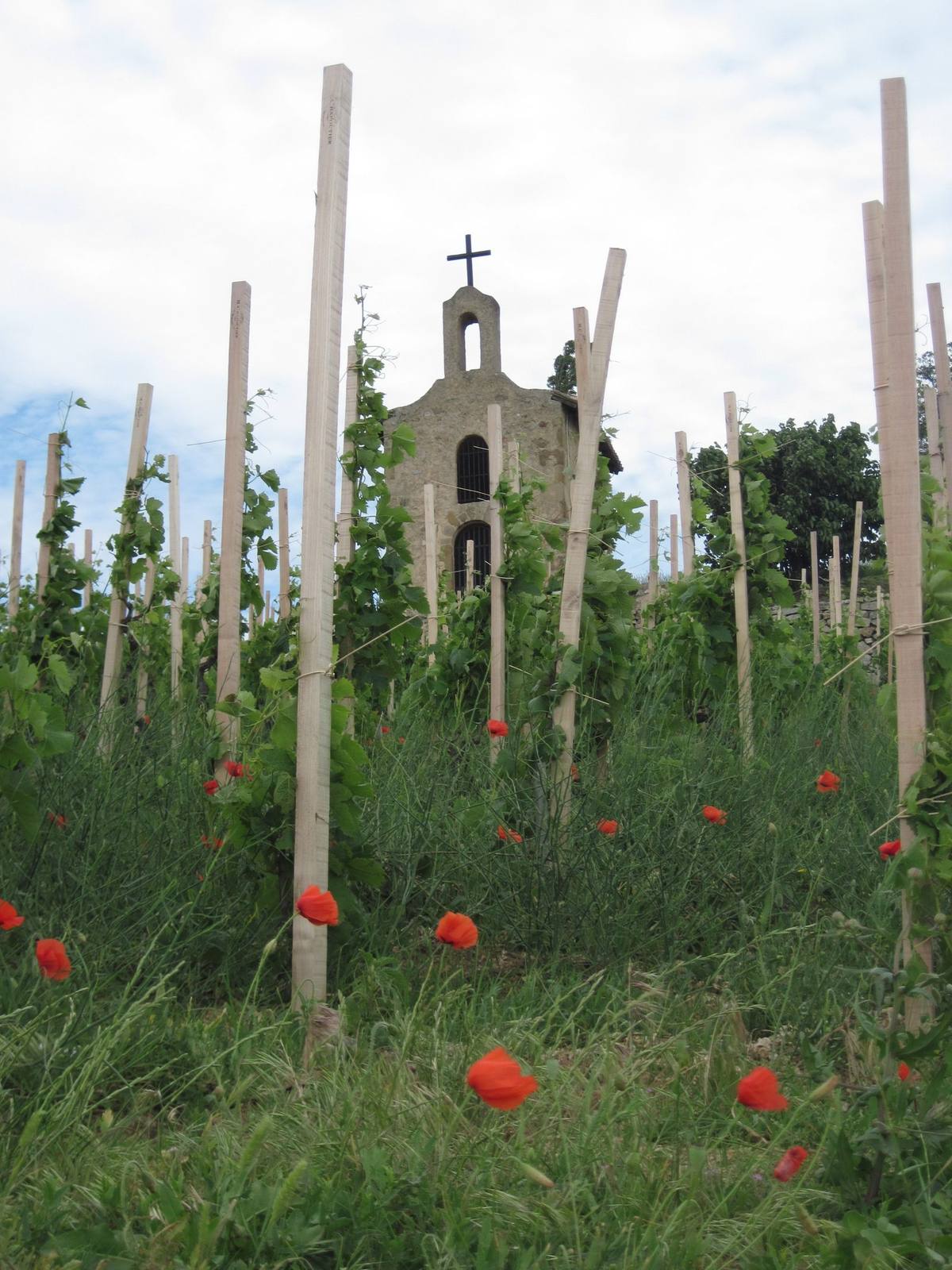
Hermitage is a hill that punishes inattention. Its steep terraces, its old vines, and its exposure to the Rhone valley's weather make it one of the northern Rhone's most exacting places to farm, and the 2026 vintage will be Pepe's introduction to all of it. The appointment is a bet by the Frey family that a winemaker from outside the Rhone will see the hill freshly.
Whether the bet pays off will be known in the glass, years from now. For now, the news is the appointment itself: one of Italy's most closely watched winemakers, given the keys to a Hermitage cellar, starting with the vintage that is already on the vine.