Groot Constantia, the Constantia estate whose vines have been producing wine without interruption since 1685, has appointed Dr Edo Heyns as its new chief executive. He takes up the role on 19 October 2026, working alongside the outgoing chief executive Jean Naude through a handover before Naude retires on 30 November, closing a 24-year tenure that began in 2002.
Heyns joins from Allée Bleue, the Franschhoek estate where he has been chief executive since March 2024. Before that he held senior roles at Advini South Africa, the local subsidiary of the French AdVini International group, whose South African interests include Ken Forrester Vineyards and Stellenbosch Vineyards. His background spans wine production, operations, sales, marketing and hospitality, the full circuit of a modern wine estate's demands.
The transition has been carefully planned to ensure continuity across the estate's operations, teams and strategic priorities.
Clifford van der Venter, board chairperson, Groot Constantia, in the estate's announcement
A legacy measured in decades
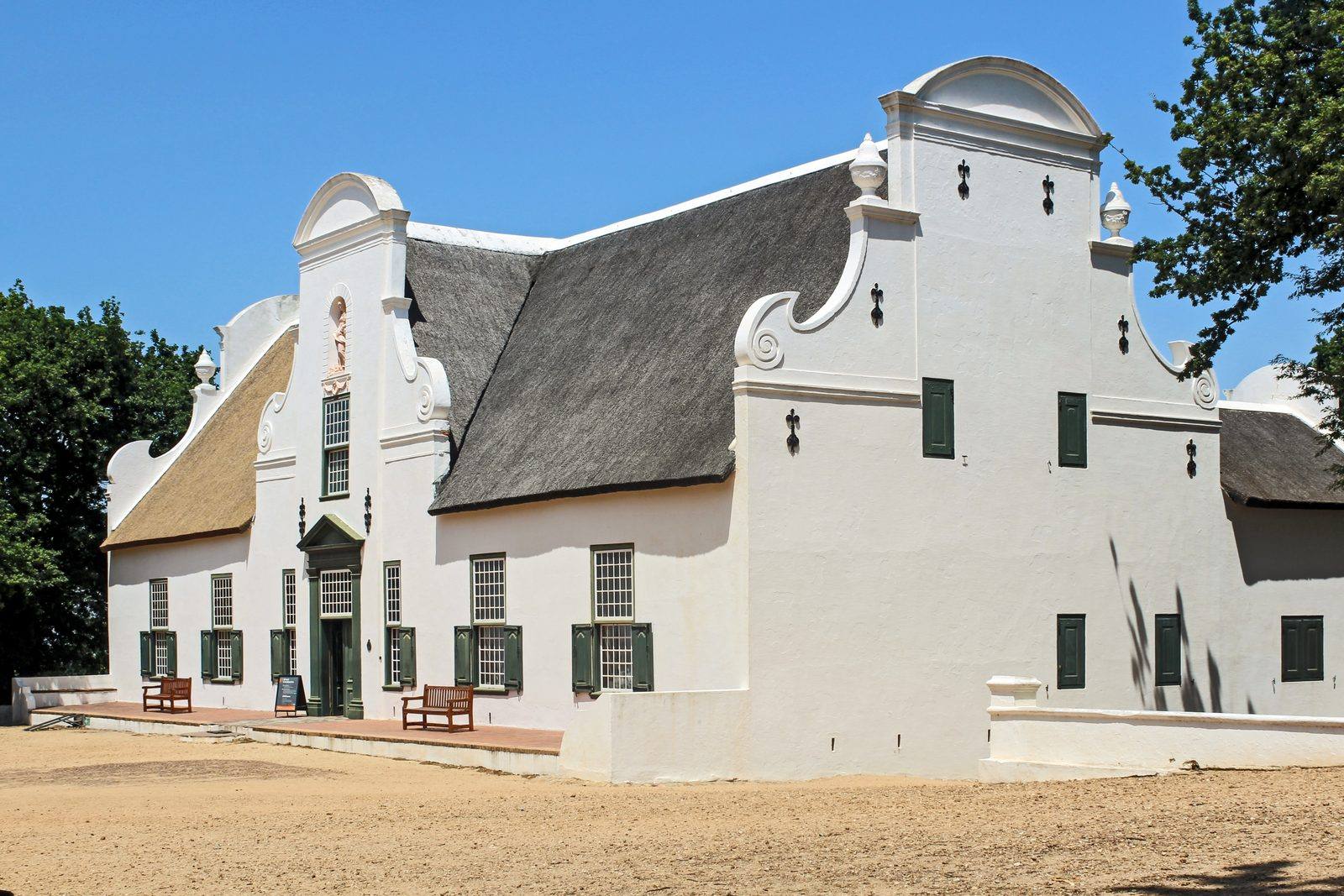
Naude's departure closes one of the longest continuous leadership runs in the South African wine industry. Twenty-four years at the helm of an estate that is itself a national monument is a tenure measured against the property's own scale: Groot Constantia was founded by Simon van der Stel, the first Governor of the Cape, and in 1993 it was transferred to a not-for-profit company through an Act of Parliament. The Groot Constantia Trust, which holds the estate, has no shareholders; any financial surplus is reinvested in the property. With 90 hectares under vine, it remains a working farm as well as a heritage site.
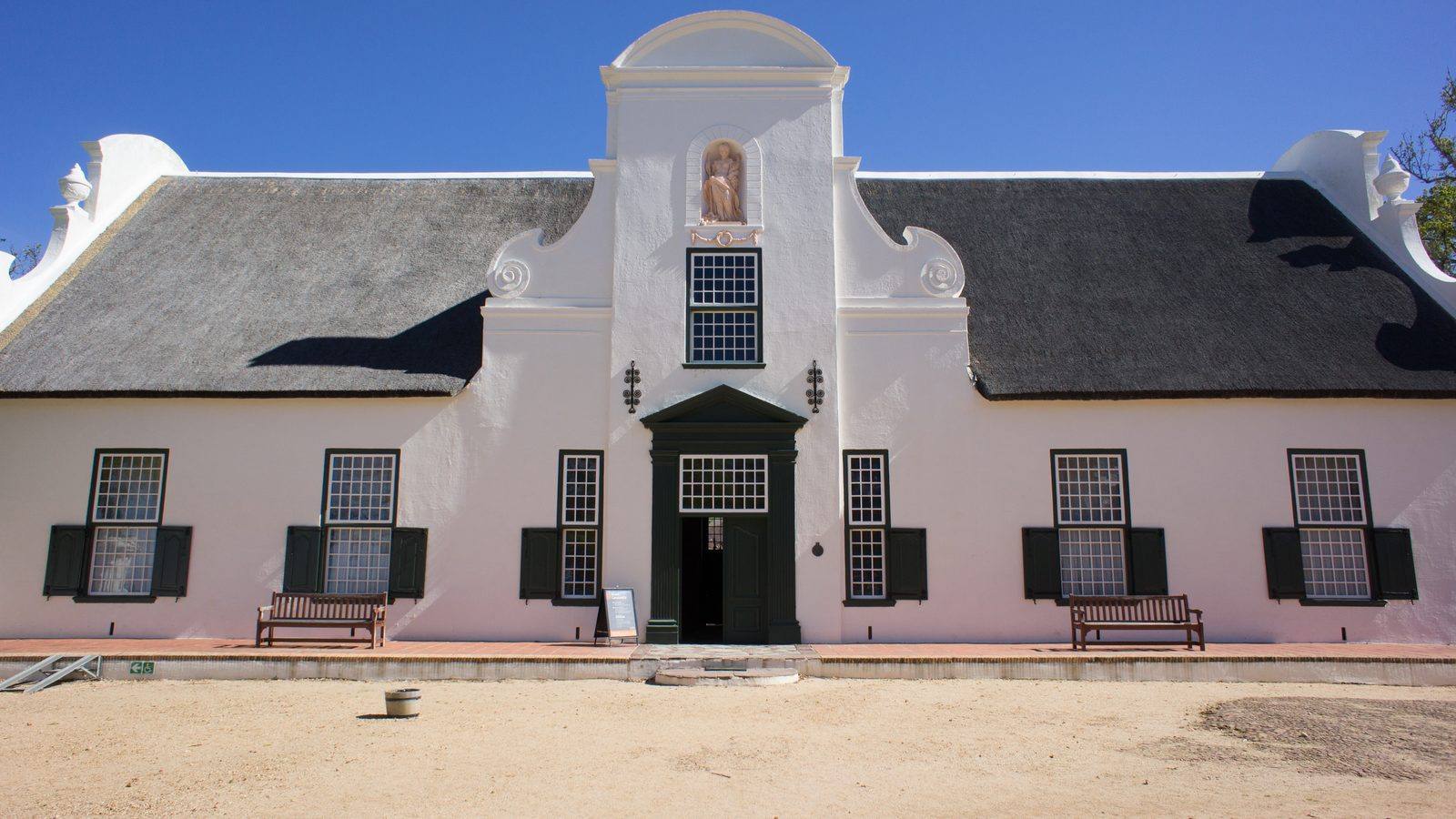
We are hugely indebted to our outgoing CEO, Jean Naude, for having served Groot Constantia with such distinction over many years.
Clifford van der Venter, board chairperson, Groot Constantia, in the estate's announcement
Van der Venter added that the board was confident Heyns would build on that legacy as the estate opens its next chapter. Naude himself framed his 24 years in terms of what had been built: continued investment in the estate's wines, its visitor experience, conservation and long-term sustainability, on foundations he named as sustainability, quality and commitment.
After 24 years, I am proud of what we have achieved together at Groot Constantia, and most importantly, of the people who have made that possible. I have every confidence in the team and our new CEO, and I believe the estate is well positioned for its next chapter.
Jean Naude, outgoing chief executive, Groot Constantia, in the estate's announcement
What the new chief inherits
Heyns takes charge of an estate whose reputation rests on both history and a single famous wine. Groot Constantia produces Grand Constance, the dessert wine that carries the estate's name into collectors' cellars around the world, alongside a range of still wines from its Constantia Valley vineyards. The estate's age is its own statement: vines have been worked here since 1685, when Simon van der Stel, the first Governor of the Cape, founded it, and the property has been held in trust for the nation since the 1993 Act of Parliament, with no shareholders and every surplus reinvested.
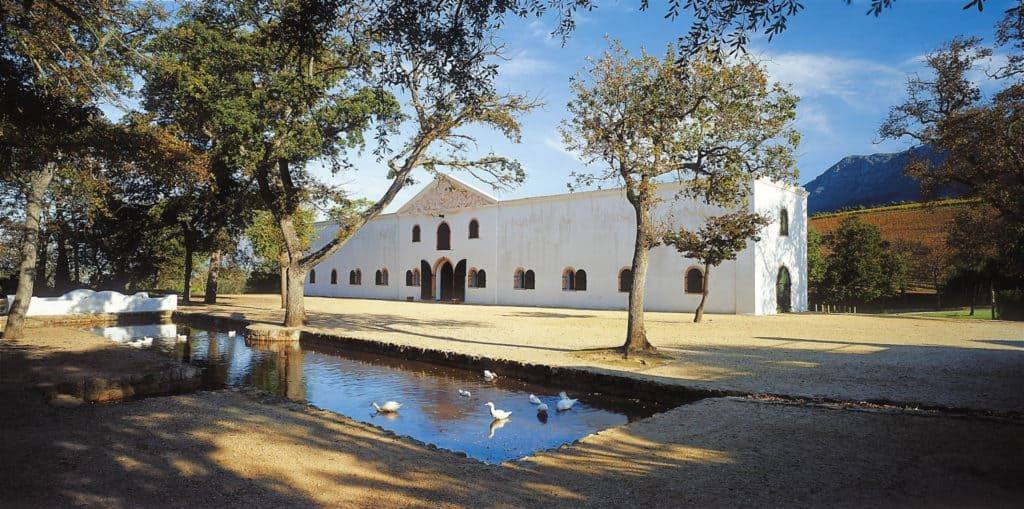
That ownership structure shapes what the chief executive's job actually is. A trust-owned heritage estate must preserve three centuries of built and planted history while running a commercial winery, a hospitality operation and a tourism destination on 90 hectares inside a modern city. Heyns' career, through production, operations, sales, marketing and hospitality at Advini South Africa and then the top job at Allée Bleue, reads as preparation for exactly that balancing act.
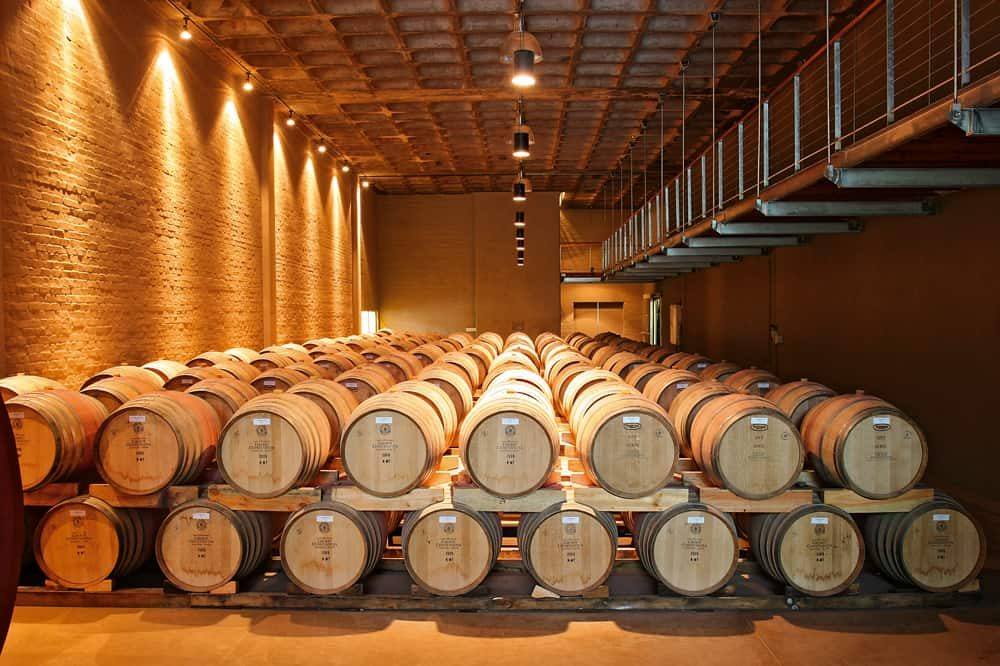
The appointment also reflects how the industry's leadership pipeline now works. Heyns arrives via a French-owned group's South African operation and a Franschhoek estate CEO role, a career path that runs through production, sales and hospitality rather than a single discipline. For a trust-owned estate that must balance heritage preservation with commercial performance, that breadth is the point.
Naude's 24 years began in 2002, which means his tenure spans nearly the entire modern era of the estate as a trust-owned property, the structure created by the 1993 Act of Parliament. Whoever holds the chief executive's office at Groot Constantia is therefore managing a national asset as much as a wine business. The handover period, with both chief executives in place between 19 October and 30 November, is designed to make the succession invisible to the outside world. At an estate that has survived three and a half centuries of ownership changes, wars and fashion cycles, a well-managed changing of the guard is simply the latest chapter.