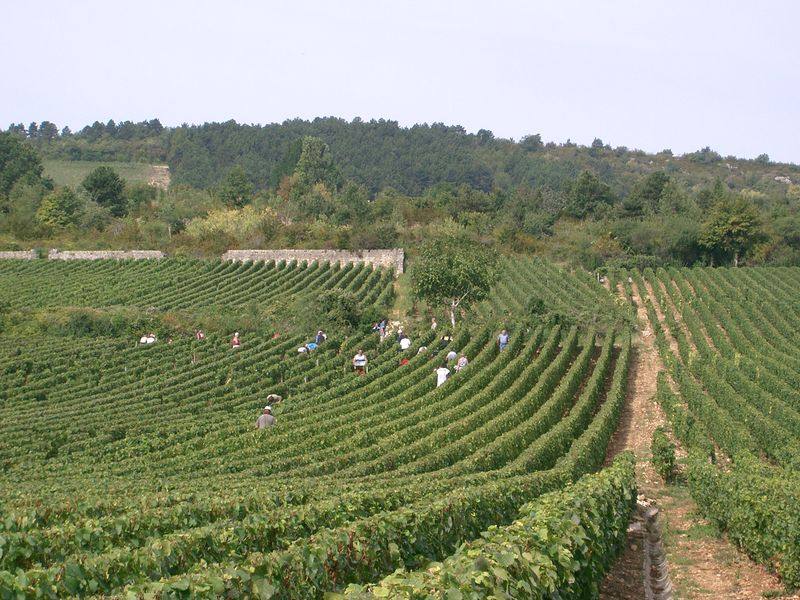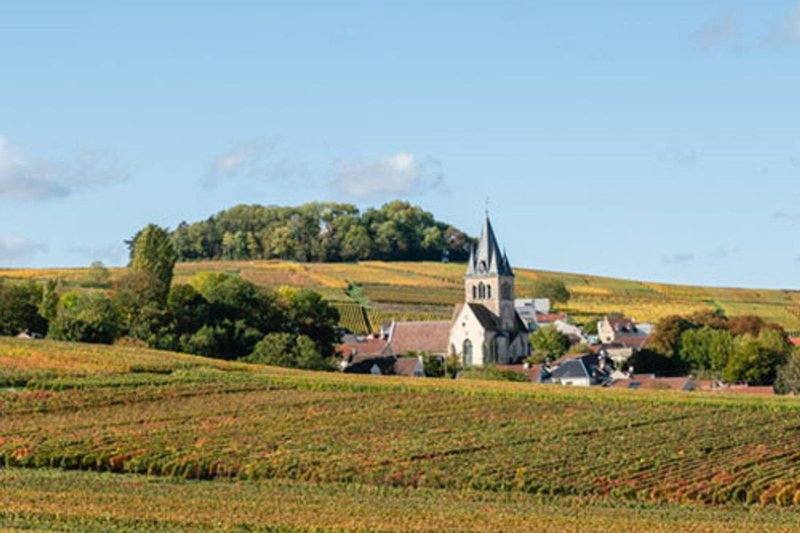
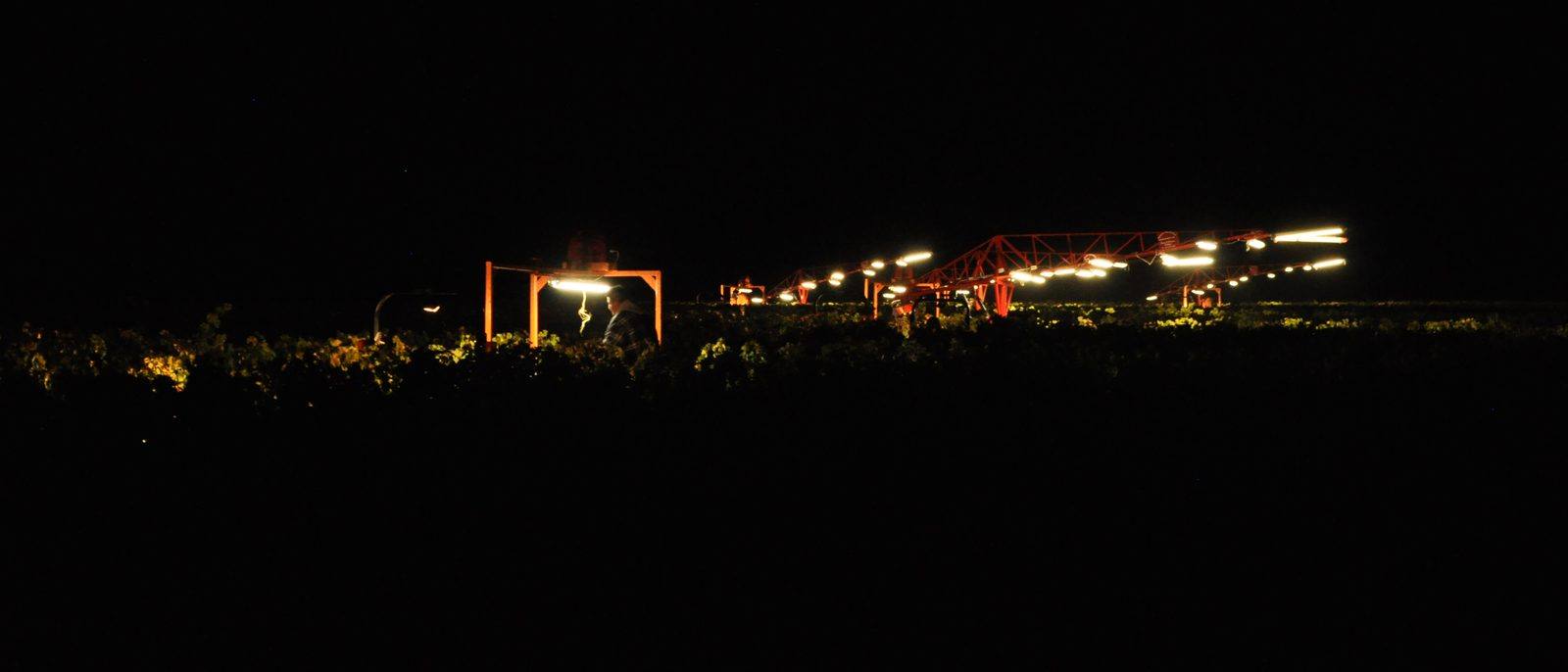
California's 2026 vintage has arrived early and in a hurry. The Wine Institute, which represents nearly 1,000 of the state's wineries, released its first statewide vintage preview on 1 October, and the message from the cellar door is consistent from Mendocino to Paso Robles: picking ran several weeks ahead of schedule, crops are lighter than usual, and the fruit that did come in shows concentrated flavors, distinctive aromatics and welcome freshness.
The season wrote its own script. Unseasonably warm temperatures in March pulled the growing season forward, then rain and strong winds during spring flowering disrupted fruit set across many regions. The result was lighter clusters, uneven berry development and smaller berries, the kind of season that trims quantity while doing quality's quiet work. Smaller berries mean a higher ratio of skin to juice, and skins are where color, tannin and aroma live.
2026 will be a vintage of focus: bright acidity, intense aromatics, and a leaner tannin frame that will showcase clarity.
Terah Bajjalieh, owner and winemaker at Terah Wine Co., to the Wine Institute
A state picking ahead of the calendar
The early start was not confined to one corner of the state. In the South Central Coast, picking began in late June. Some vineyards in the Russian River Valley were finished by the middle of September. Bonterra Organic Estates in Mendocino County started its harvest on 22 July with Pinot Gris, nearly two weeks earlier than in 2025. Terah Wine Co., the Oakland-based producer working with Lodi and Amador County fruit, began picking on 5 August with Lodi Sangiovese, twenty days ahead of last year.
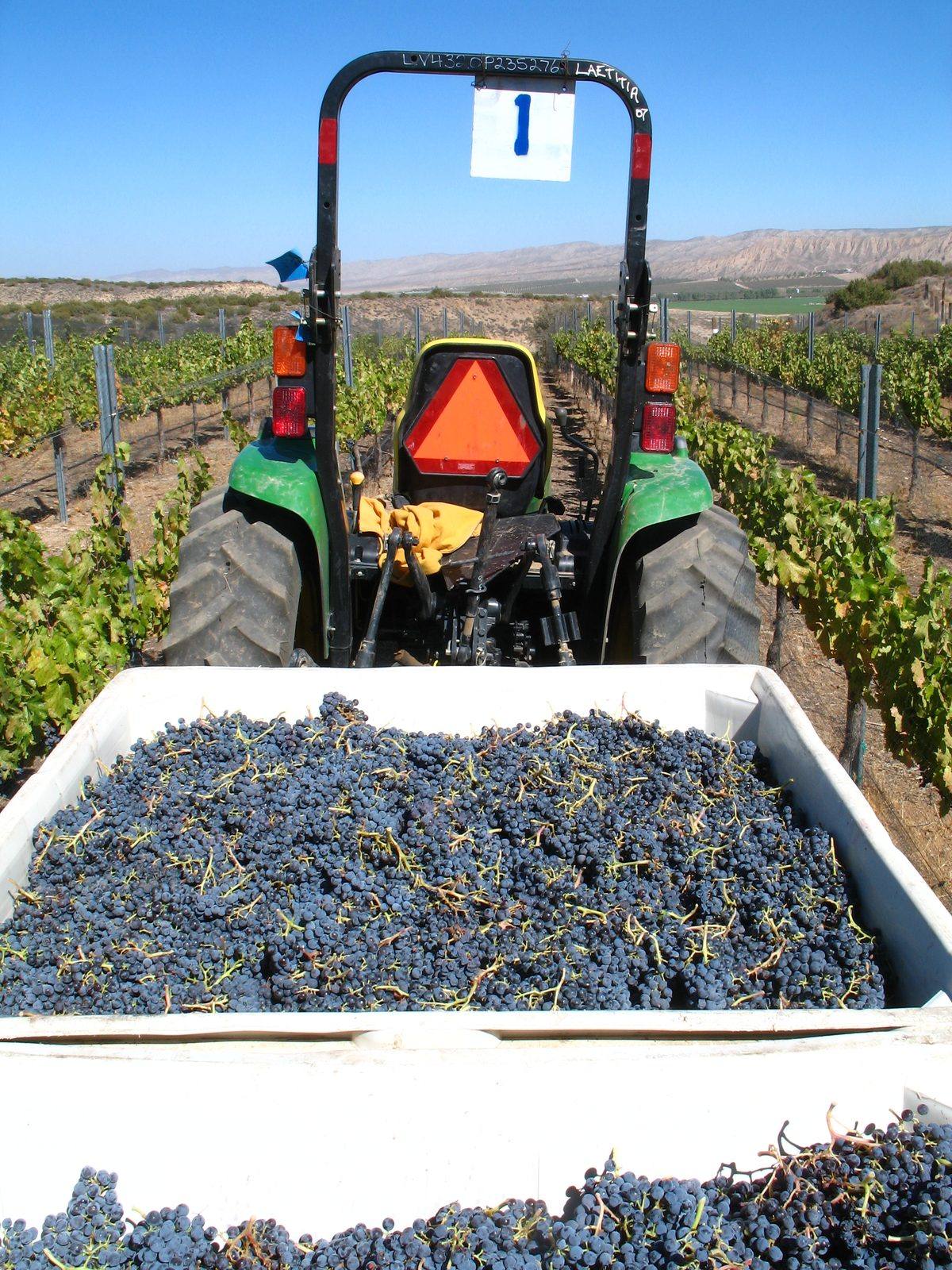
On the Central Coast, the summer itself cooperated. Moderate conditions supported ripening without the sustained heat pressure that has defined some recent vintages, letting flavors develop while acidity held. At Tablas Creek Vineyard in western Paso Robles, the Rhone varieties are showing vivid color and distinctive flavors, and the estate's first pick was a small lot of Viognier on 7 August.
The smaller berries appear to have contributed to flavor intensity in several lots, while the early harvest helped us preserve freshness and natural balance.
John Kane, general manager of Bonterra Organic Estates, to the Wine Institute
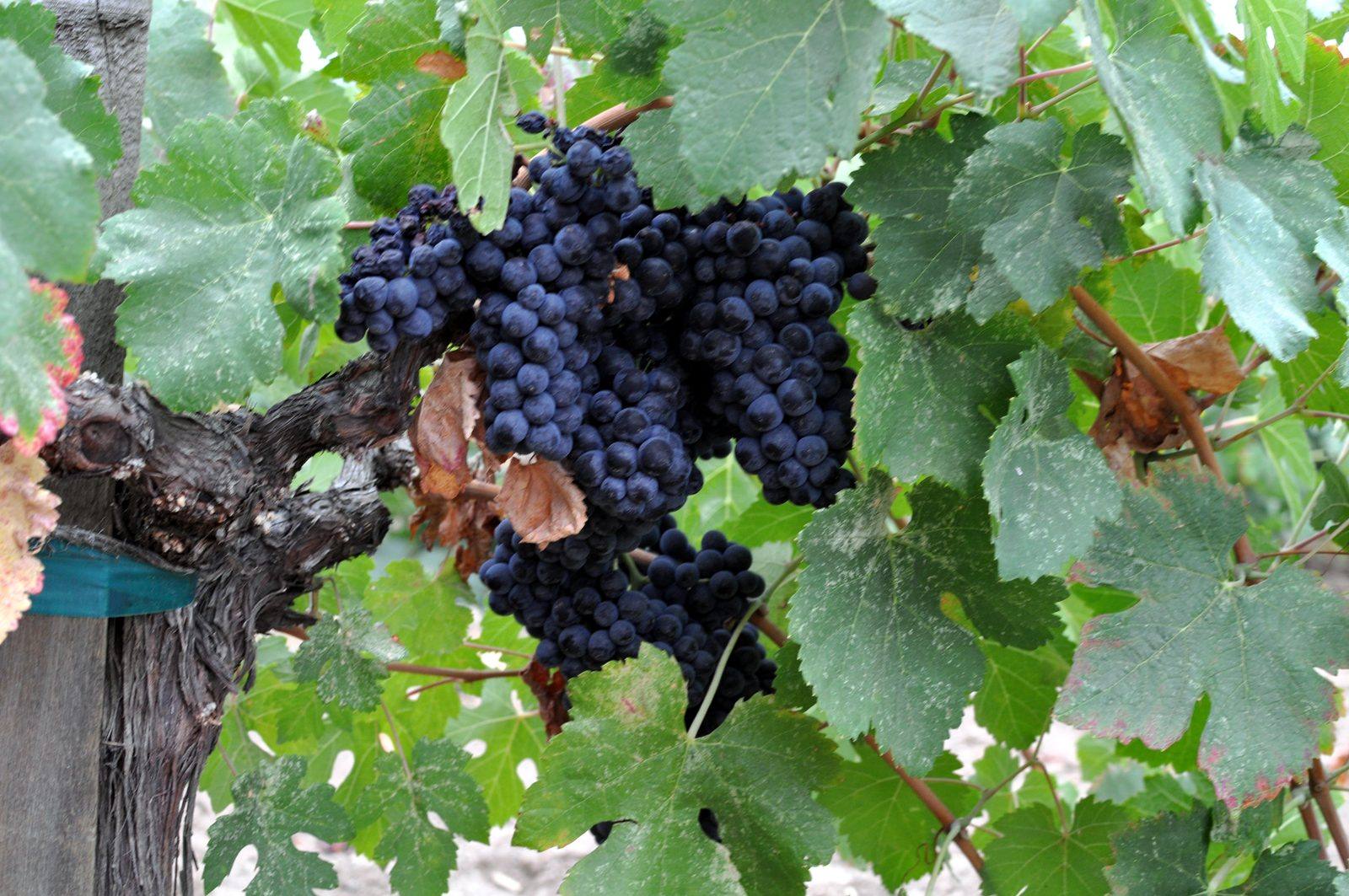
In Sonoma County, Bacigalupi Vineyards reports Pinot Noir of unusual intensity. Berries and clusters were very small, the classic signature of a concentrated year, and the estate is seeing more color than typical in its Pinot Noir lots.
Berries and clusters were very small, which typically leads to higher concentration, and we are definitely seeing that this year.
Nicole Bacigalupi, general manager of Bacigalupi Vineyards, to the Wine Institute
Quality over quantity
Nobody is pretending 2026 will be a big vintage. Lighter crops and closely spaced picks kept cellar teams moving fast, and yields are down. What the early reports suggest instead is a vintage of character: bright acidity, intense aromatics, and the kind of concentration that small berries deliver. It is the trade California's growers have learned to accept, and occasionally to celebrate, in warm, compressed seasons.
It's really been one of the most interesting vintages to date.
Sean W. McBride, owner and winemaker at Crosby Roamann, Napa Valley, to the Wine Institute
McBride credits the early start to the season and mild summer weather with helping fruit ripen evenly and consistently in Napa Valley, a reminder that an early harvest is not automatically a hot one. The distinction matters: heat spikes cook acidity, while an early, even season can preserve it.
There is a wider pattern worth noting. The northern hemisphere's 2026 growing season has been defined almost everywhere by earliness: England recorded its warmest summer since 1884 and its earliest harvests, France braced for one of its smallest harvests in seventy years after drought and heat. California's version of the story is gentler, a warm spring and a moderate summer rather than extremes, but the throughline is the same. Vintners everywhere are learning to read compressed seasons, and the early read is that compression favors intensity.
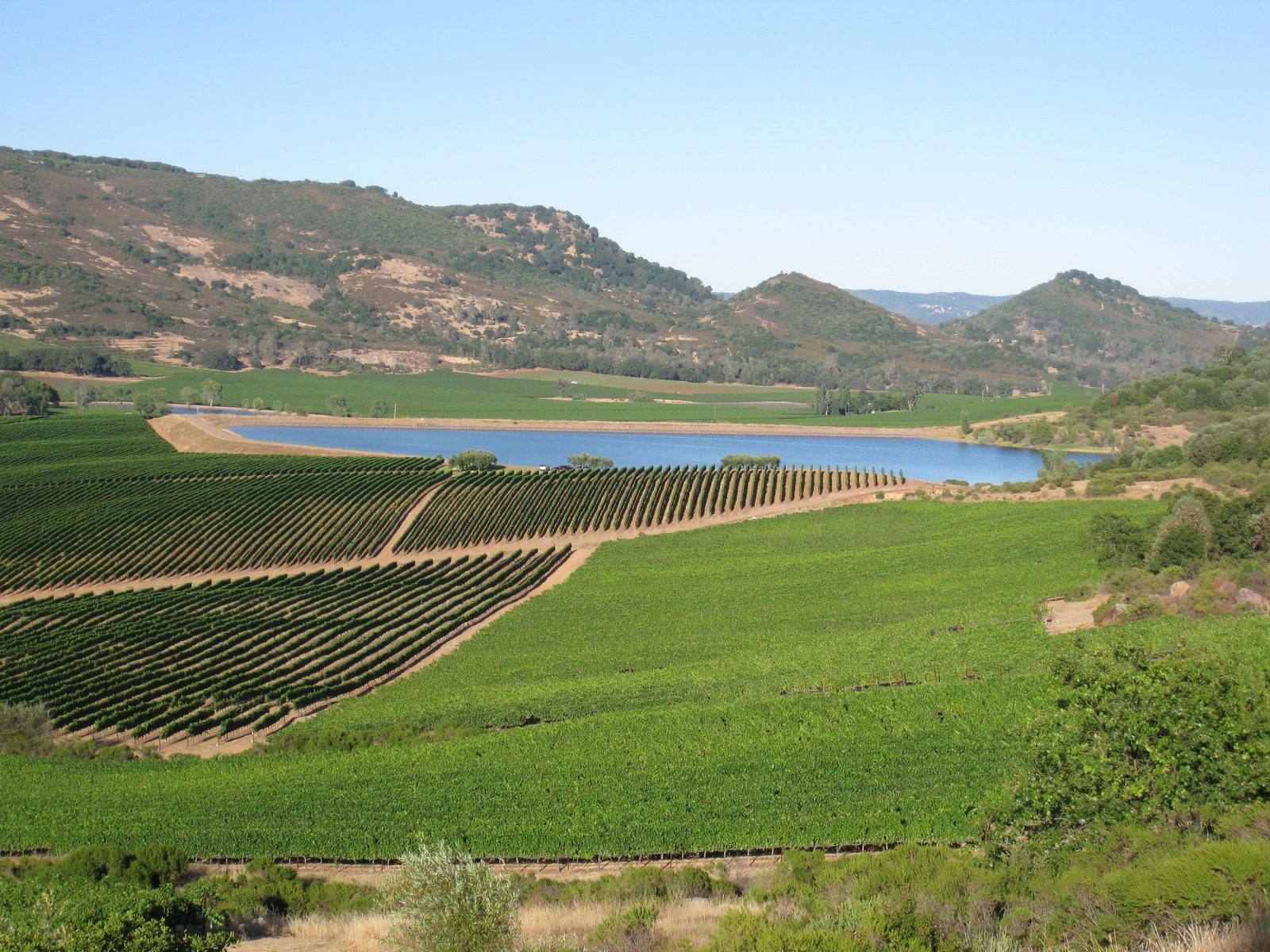
The flavors on everything are intense and characteristic. So while we could wish for more quantity, the quality looks impeccable.
Jason Haas, partner and general manager at Tablas Creek Vineyard, to the Wine Institute
The Wine Institute's preview is only the first word. It draws together reports from growers and winemakers across the state's regions, and the Institute says a comprehensive California Harvest Report, with more regional perspectives from across the state, is due later this fall, when fermentations are further along and the vintage's shape is clearer. For now, the early verdict from the people who picked it is that 2026 gave them less fruit and more flavor, and they will take that trade.