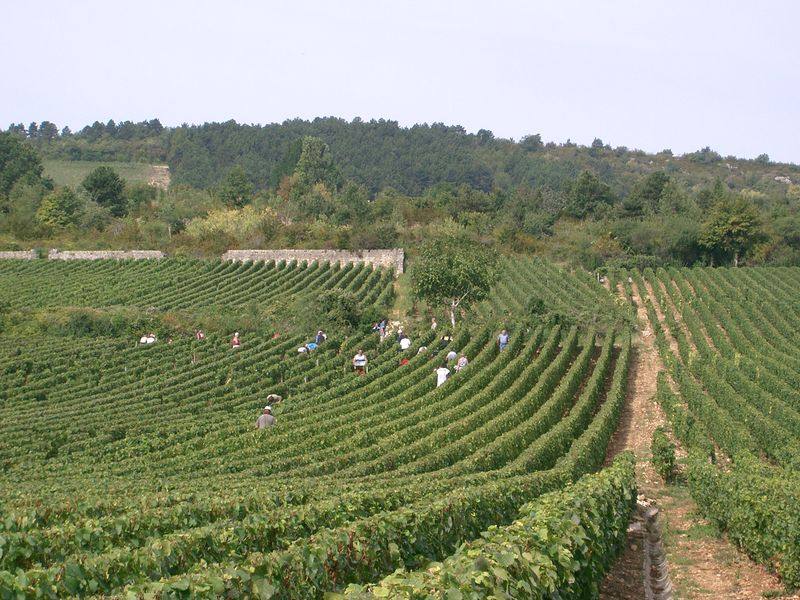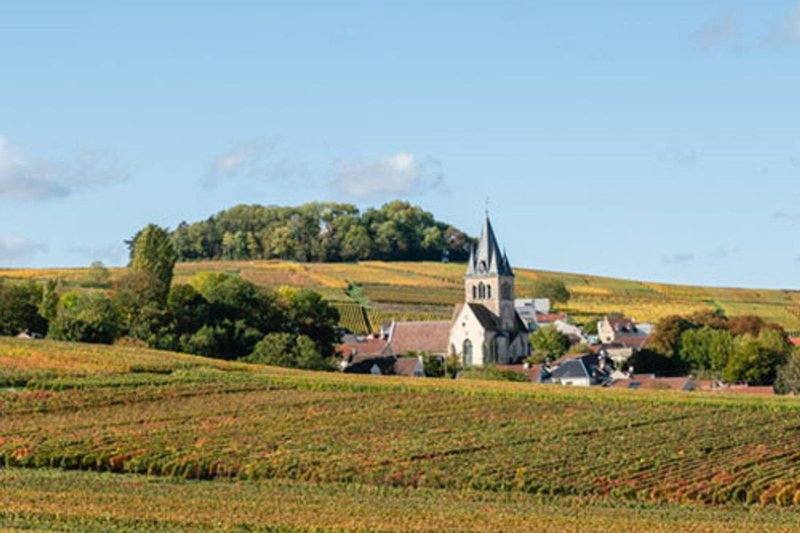

A year after one of the slowest, coolest growing seasons in memory, Napa Valley has flipped the script entirely. The 2026 crush is underway weeks ahead of schedule, and by every available measure it is one of the earliest harvests the valley has ever seen.
In Yountville, Chandon began picking in the cool hours before dawn on July 24, bringing in 30 tons of Chardonnay from its estate vineyard. The house called it the earliest first pick in its 53-year history: the old mark, August 3, was set in 2021, and just two other vintages, 2014 and 2015, had ever begun in July at all. The season had been running ahead of the calendar since March, when temperatures well above average pushed bud break forward across the valley. Spring then turned wet, and the bloom period brought cool, windy weather that cost some vineyards part of their crop before summer had properly begun.
The pattern held statewide. In its August 2026 California Report, the broker Ciatti judged that picking across California was running earlier than at any time in a generation, and that a large share of the state's harvest would be finished by the end of September. Sonoma County told the same story from the other side of the Mayacamas. Announcing the start of its own harvest on July 24, Sonoma County Winegrowers said the season might prove the earliest in the county's recorded history, and one of the lightest crops in years: the warm March had been followed by a cold, wet and windy bloom that thinned yields in many vineyards, leaving healthy vines carrying unusually small loads. Its chief executive, Karissa Kruse, called it the earliest harvest of her tenure, and argued the smaller crop could help pull the county's grape market back toward balance.
Napa's first taste of 2026
The earliest red wine grapes of the year never waited for the crowds. On the night of Thursday July 23 and the early morning of Friday, July 24, The Vice Winery hand-harvested Pinot Noir from Truchard Vineyards in Carneros, among the first red wine grapes picked in Napa Valley all year. The grapes came off the vine at approximately 17 degrees Brix and moved straight from vineyard to press to fermentation. The goal: a bone-dry rose of Pinot Noir at 10 percent alcohol, zero residual sugar and no added sulfites, in bottles before Labor Day, with national availability beginning in September.
Wine is one of the few agricultural products where consumers rarely get to experience the excitement of a new harvest when it actually happens. Most people will not taste a Napa Valley wine from the 2026 vintage for another year, two years or even longer. We want them to taste this vintage while Napa is still harvesting it.
Malek Amrani, founder and winemaker, The Vice Winery
The idea borrows from the tradition of nouveau wines and reworks it through a Napa lens: intentional early picking for freshness and natural acidity, quick pressing, and fermentation completely dry. In Amrani's words, at 17 Brix the goal is not the ripeness or power associated with traditional Napa Valley red wines, but freshness, energy and acidity: a crisp, bright and completely dry rose that tastes like the beginning of harvest.
Every year, the wine world waits to hear what the new Napa Valley vintage will be like. Instead of telling people, we want to pour them a glass.
Malek Amrani, founder and winemaker, The Vice Winery
This is the winery's second such pre-Labor Day release, a new annual tradition: a wine that marks the arrival of each Napa Valley vintage and lets consumers take part in the energy of harvest in real time.
What an early year means
An early start points to an early finish. Ciatti's August report expected a large share of California's harvest to be complete by the end of September, weeks before the traditional October peak. The stylistic implications are real, too. Early picks at lower Brix tend to preserve natural acidity and freshness, and across California the 2026 crop looks lighter than average in places, the result of that cool, windy bloom period.
The contrast with 2025 could hardly be sharper. Last year, Napa's growers talked about restraint, about keeping a foot on the brake, about sugars held down and acids held high. This year the same conditions arrived by a different route: an early, compressed season rather than a slow one. Whether 2026 becomes a vintage defined by energy or by scarcity, the picking bins are already moving. The valley is not waiting.